

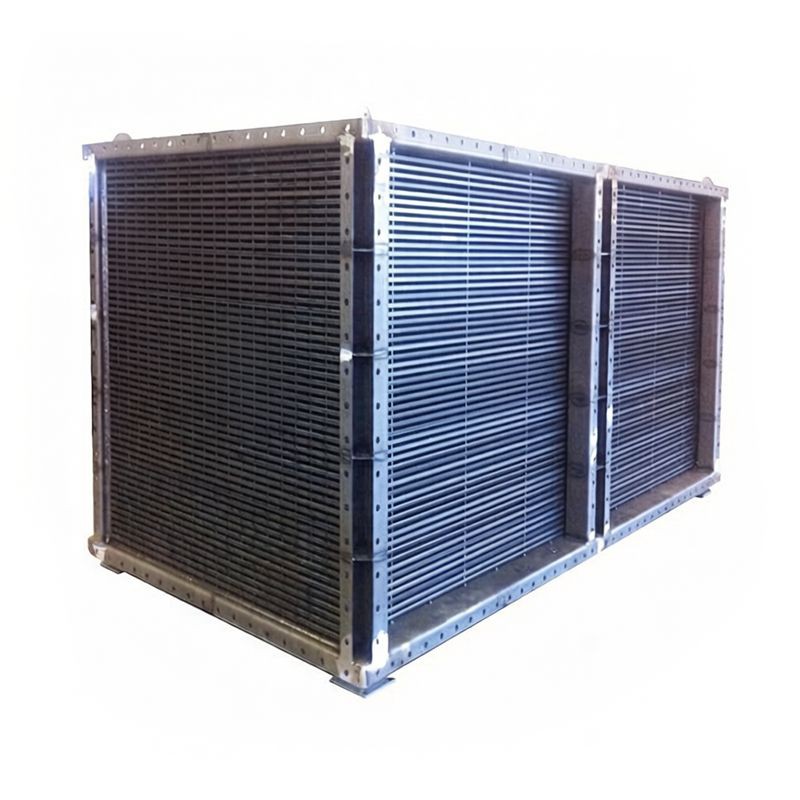
An evaporative condensing unit is a crucial component in many industrial and commercial cooling systems. As a supplier of Evaporative Condensing Unit, understanding the electrical requirements of these units is essential for both our customers and us. In this blog, we will delve into the electrical aspects of evaporative condensing units, exploring the power needs, electrical components, and safety considerations.
Power Requirements
The power requirements of an evaporative condensing unit depend on several factors, including the unit's size, capacity, and the specific application. Generally, these units require a significant amount of electrical power to operate effectively. The power consumption is mainly attributed to the compressor, fans, and water pumps.
Compressor
The compressor is the heart of the evaporative condensing unit, responsible for compressing the refrigerant gas. Compressors come in different types, such as reciprocating, scroll, and screw compressors, each with its own power requirements. Larger compressors typically consume more power, and the power rating is usually specified in horsepower (HP) or kilowatts (kW). For example, a small evaporative condensing unit might have a compressor rated at 5 HP, while a larger industrial unit could have a compressor with a rating of 50 HP or more.
Fans
Evaporative condensing units use fans to circulate air over the condenser coils, facilitating the heat transfer process. The power consumption of the fans depends on their size, speed, and the number of fans installed. High - speed fans with larger diameters generally consume more power. The power rating of the fans is also specified in HP or kW. In some units, multiple fans are used to ensure adequate air circulation, which can increase the overall power consumption.
Water Pumps
Water pumps are used to circulate water over the condenser coils, enhancing the cooling effect through evaporation. The power requirement of the water pumps depends on the flow rate and pressure needed to distribute the water effectively. Similar to the compressor and fans, the power rating of the water pumps is given in HP or kW.
Electrical Components
In addition to the major power - consuming components, evaporative condensing units also contain several other electrical components that are essential for their proper operation.
Control Panel
The control panel is the brain of the evaporative condensing unit. It contains various switches, relays, and controllers that regulate the operation of the unit. The control panel allows the user to set the temperature, pressure, and other operating parameters. It also provides safety features such as overload protection and fault detection. The control panel typically requires a low - voltage electrical supply, usually 120V or 240V, depending on the design.
Sensors
Sensors are used to monitor various parameters such as temperature, pressure, and water level. Temperature sensors are placed at different locations in the unit to ensure that the refrigerant is being cooled to the desired temperature. Pressure sensors are used to monitor the pressure of the refrigerant gas, and water level sensors are used to ensure that there is an adequate supply of water for the evaporation process. These sensors send signals to the control panel, which then adjusts the operation of the unit accordingly.
Wiring and Electrical Connections
Proper wiring and electrical connections are crucial for the safe and efficient operation of the evaporative condensing unit. The wiring must be sized correctly to handle the electrical load, and all connections must be secure to prevent electrical shorts and other hazards. The electrical connections should also be protected from moisture and other environmental factors to ensure long - term reliability.
Safety Considerations
When dealing with the electrical requirements of evaporative condensing units, safety is of utmost importance. Here are some key safety considerations:
Grounding
All electrical components of the evaporative condensing unit must be properly grounded to prevent electrical shock. The grounding system should be designed to handle the electrical current in case of a fault, and it should be regularly inspected to ensure its integrity.
Overload Protection
Overload protection devices such as circuit breakers and fuses should be installed to protect the electrical components from damage due to excessive current. These devices will automatically cut off the power supply if the current exceeds a certain limit, preventing overheating and potential fire hazards.
Electrical Codes and Standards
The installation and operation of evaporative condensing units must comply with local electrical codes and standards. These codes are designed to ensure the safety of the electrical system and the people using the unit. It is important to hire a qualified electrician to install and maintain the electrical components of the unit to ensure compliance with these codes.
Comparison with Other Condenser Types
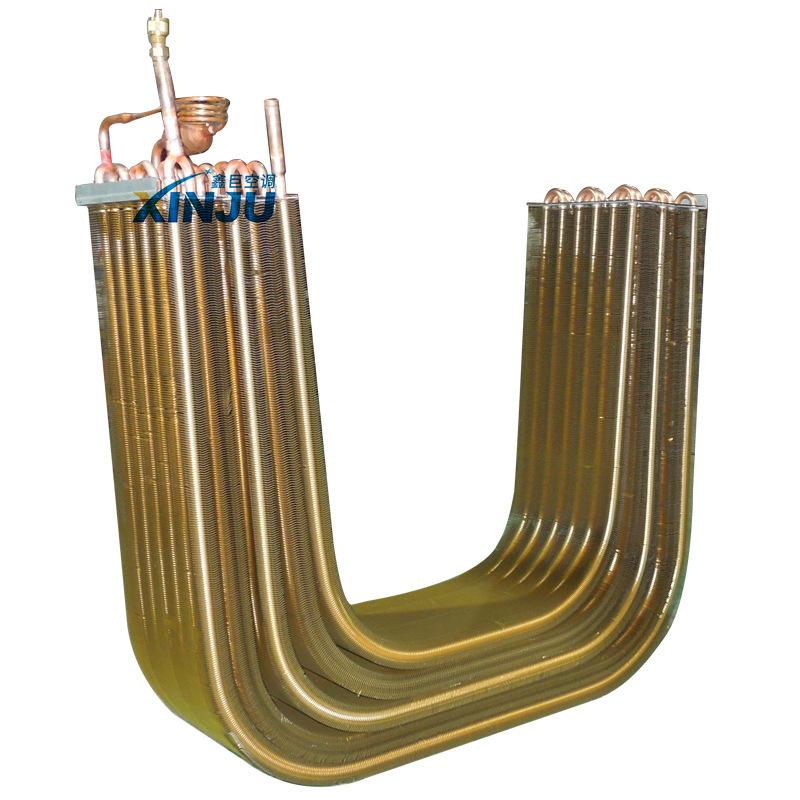
It is also interesting to compare the electrical requirements of evaporative condensing units with other types of condensers, such as U - type Condenser and Plate Type Condenser.
U - type condensers typically have a more compact design and may require less space. However, their electrical requirements can vary depending on the size and capacity. In general, they may have lower power consumption compared to evaporative condensing units, especially if they are used in smaller applications.
Plate type condensers are known for their high heat transfer efficiency. They usually have a relatively simple electrical system, but the power consumption can still be significant, especially for larger units. The electrical requirements of plate type condensers are also influenced by the flow rate of the refrigerant and the cooling medium.
Conclusion
Understanding the electrical requirements of an evaporative condensing unit is essential for its proper operation and maintenance. As a supplier, we are committed to providing our customers with high - quality units that meet their specific electrical needs. Whether you are looking for a small - scale unit for a commercial application or a large - scale industrial unit, we can offer the right solution.
If you are interested in purchasing an evaporative condensing unit or have any questions about its electrical requirements, please feel free to contact us. Our team of experts is ready to assist you in choosing the most suitable unit for your needs and providing you with all the necessary technical support.
References
- ASHRAE Handbook - HVAC Systems and Equipment.
- Electrical Safety Standards for Industrial Equipment.