

Hey there! As a finned tube supplier, I often get asked about the lifespan of finned tubes. It's a crucial question, especially for those looking to invest in these heat transfer components. So, let's dive right into it and explore what affects the lifespan of finned tubes.

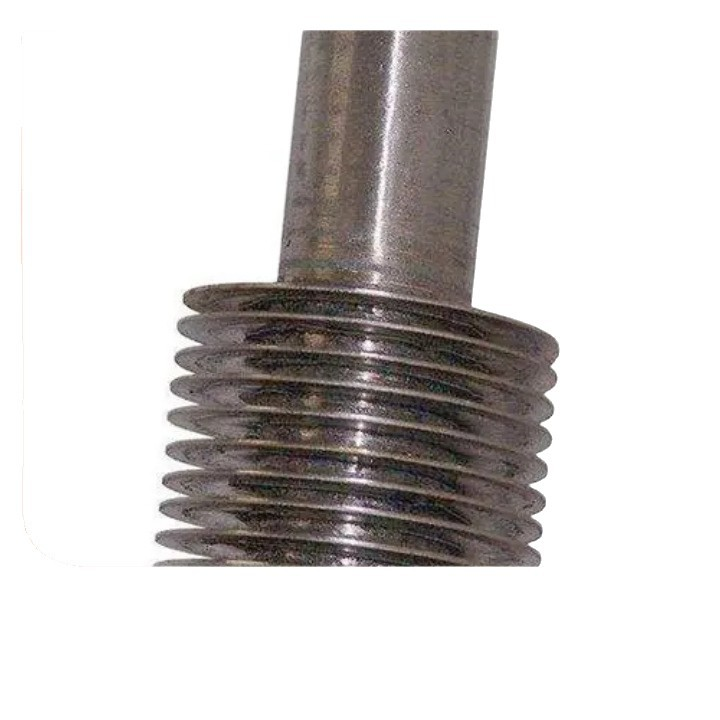
Factors Affecting the Lifespan of Finned Tubes
1. Material Quality
The materials used in finned tubes play a huge role in determining their lifespan. For instance, Copper Tube with Aluminum Fins are a popular choice. Copper is known for its excellent thermal conductivity and corrosion resistance. Aluminum fins, on the other hand, are lightweight and also have good heat transfer properties. When these two materials are combined, they can offer a long - lasting solution. High - quality materials are less likely to corrode, deform, or break down over time, which directly translates to a longer lifespan.
2. Operating Conditions
The environment in which finned tubes operate can significantly impact their lifespan. If the tubes are exposed to high temperatures, corrosive chemicals, or abrasive substances, their lifespan will be reduced. For example, in industrial settings where there are high levels of pollutants or aggressive chemicals, the fins and tubes can corrode quickly. In contrast, finned tubes used in a clean, controlled environment, like in a well - maintained Fan Coil Heat Exchanger, are likely to last much longer.
3. Maintenance
Regular maintenance is key to extending the lifespan of finned tubes. This includes cleaning the fins to remove dirt, dust, and debris that can accumulate over time. Clogged fins can reduce the heat transfer efficiency and put extra stress on the tubes, leading to premature failure. Additionally, checking for leaks, loose connections, and signs of corrosion on a regular basis can help catch potential problems early and prevent major damage.
4. Design and Manufacturing
The design and manufacturing process of finned tubes also matter. Well - designed fins with proper spacing and geometry can improve heat transfer efficiency and reduce stress on the tubes. High - quality manufacturing techniques ensure that the fins are firmly attached to the tubes, which prevents them from detaching or vibrating, which could lead to damage.
Typical Lifespan of Finned Tubes
On average, finned tubes can last anywhere from 10 to 20 years. However, this is a very general estimate, and the actual lifespan can vary widely depending on the factors mentioned above. In a mild operating environment with regular maintenance, finned tubes can easily reach the upper end of this range. But in harsh conditions, they may need to be replaced much sooner.
For example, Cooling Fins for Copper Tubing used in a residential air - conditioning system, where the operating conditions are relatively mild and maintenance is usually regular, can last up to 15 - 20 years. On the other hand, finned tubes in an industrial chemical plant, where they are exposed to corrosive chemicals and high temperatures, may only last 5 - 10 years.
Extending the Lifespan of Finned Tubes
1. Choose the Right Material
Selecting the appropriate material for your specific application is crucial. If you're operating in a corrosive environment, consider using materials with high corrosion resistance, such as stainless steel or coated tubes.
2. Optimize Operating Conditions
Try to control the operating environment as much as possible. This could involve installing filtration systems to reduce the amount of pollutants in the air or water, or using temperature - control mechanisms to keep the operating temperature within a safe range.
3. Implement a Maintenance Schedule
Create a regular maintenance schedule and stick to it. This should include cleaning the fins, checking for leaks, and inspecting the tubes for signs of wear and tear.
Why Choose Our Finned Tubes
As a finned tube supplier, we take pride in offering high - quality products. Our finned tubes are made from top - notch materials and are manufactured using the latest techniques. We understand the importance of a long - lasting product, and we ensure that our finned tubes are designed to withstand a variety of operating conditions.
Whether you need Copper Tube with Aluminum Fins for a small residential project or Fan Coil Heat Exchanger components for a large industrial application, we've got you covered. Our team of experts can also provide you with advice on how to extend the lifespan of your finned tubes and ensure optimal performance.
If you're interested in purchasing finned tubes or have any questions about their lifespan or application, don't hesitate to reach out. We're here to help you make the right choice for your project.
References
- "Heat Exchanger Design Handbook" by Hewitt, G. F.
- "Thermal Design of Heat Exchangers" by Shah, R. K. and Sekulic, D. P.