

As a supplier of Energy - Saving Evaporators, I've witnessed firsthand the growing demand for energy - efficient and environmentally friendly industrial equipment. In this blog, I'll explore the environmental impacts of an Energy - Saving Evaporator, highlighting its benefits and why it's a smart choice for both businesses and the planet.
1. Reduced Energy Consumption
One of the most significant environmental impacts of an Energy - Saving Evaporator is its ability to reduce energy consumption. Traditional evaporators often consume large amounts of electricity or other energy sources to operate. In contrast, energy - saving evaporators are designed with advanced technologies that optimize the evaporation process.
For example, some energy - saving evaporators use heat recovery systems. These systems capture and reuse waste heat that would otherwise be lost. By reusing this heat, the evaporator requires less external energy to achieve the same level of evaporation. This not only reduces the overall energy demand but also decreases the carbon footprint associated with energy production.
According to a study by the International Energy Agency, industrial processes account for a significant portion of global energy consumption. By using energy - saving evaporators, industries can make a substantial contribution to reducing energy consumption. For instance, in the food and beverage industry, where evaporation is a common process, an energy - saving evaporator can lead to significant energy savings. The Energy - Saving Evaporator we supply is designed to be highly efficient, helping our clients cut down on their energy bills while also reducing their environmental impact.
2. Lower Greenhouse Gas Emissions
The reduction in energy consumption directly translates to lower greenhouse gas emissions. Most of the world's electricity is generated from fossil fuels such as coal, oil, and natural gas. When these fuels are burned, they release carbon dioxide (CO2) and other greenhouse gases into the atmosphere, contributing to global warming.
By using an energy - saving evaporator, industries can reduce their reliance on fossil - fuel - based energy sources. This, in turn, leads to a decrease in CO2 emissions. For example, if an industrial facility switches from a traditional evaporator to an energy - saving one, it can significantly reduce the amount of CO2 released into the atmosphere over the lifetime of the equipment.
In addition to CO2, other greenhouse gases such as methane and nitrous oxide are also associated with energy production and industrial processes. Energy - saving evaporators can help minimize the release of these gases by reducing the overall energy demand. This makes them an important tool in the fight against climate change.
3. Water Conservation
Evaporators are often used in processes that involve the separation of water from other substances. In traditional evaporators, a large amount of water is lost during the evaporation process. Energy - saving evaporators, on the other hand, are designed to be more water - efficient.
Some energy - saving evaporators use advanced condensation and recycling systems. These systems capture the water vapor that is produced during evaporation and condense it back into liquid water. This water can then be reused in the industrial process, reducing the overall water consumption.
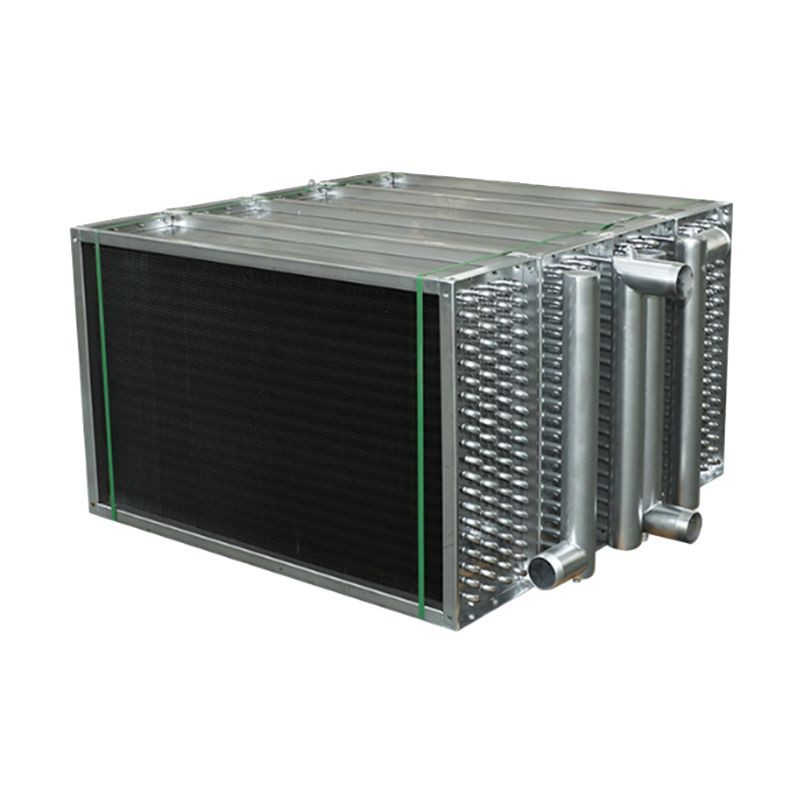
For example, in the chemical industry, where water is used in various processes, an energy - saving evaporator can help conserve water. By recycling the water that is evaporated, industries can reduce their water intake from natural sources such as rivers and lakes. This is especially important in regions where water scarcity is a concern. Our Industrial Chiller Evaporator is designed with water - saving features, making it a great choice for industries looking to reduce their water footprint.
4. Reduced Waste Generation
Energy - saving evaporators can also contribute to reducing waste generation. In some industrial processes, the evaporation of liquids leaves behind solid residues or by - products. Traditional evaporators may require additional energy and resources to handle these residues.
Energy - saving evaporators, however, are often designed to be more efficient in separating and handling these residues. For example, some energy - saving evaporators use advanced filtration and separation systems that can separate the solid residues from the liquid more effectively. This reduces the amount of waste that needs to be disposed of, minimizing the environmental impact associated with waste management.
In addition, the reduced energy consumption of energy - saving evaporators means that there is less waste generated from the production of energy. For example, less coal or oil needs to be mined and burned, reducing the environmental impact of energy production.
5. Improved Air Quality
Traditional evaporators may release pollutants into the air during their operation. These pollutants can include volatile organic compounds (VOCs), particulate matter, and other harmful substances. Energy - saving evaporators are designed to be more environmentally friendly in terms of air emissions.
Some energy - saving evaporators use advanced ventilation and filtration systems to capture and remove pollutants before they are released into the air. This helps to improve the air quality in and around the industrial facility. For example, in the pharmaceutical industry, where strict air quality standards are in place, an energy - saving evaporator can help ensure that the facility meets these standards.
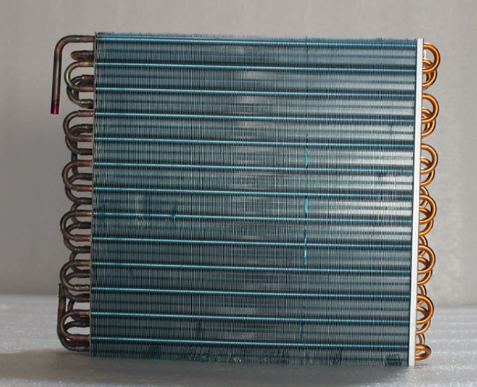
The U - type Evaporator we offer is designed with features that minimize air pollution. It uses a closed - loop system that reduces the release of pollutants into the atmosphere, making it a great choice for industries that are concerned about air quality.
6. Long - Term Sustainability
Investing in an energy - saving evaporator is not only beneficial for the environment in the short term but also in the long term. As the world becomes more focused on sustainability, industries are under increasing pressure to reduce their environmental impact. By using energy - saving evaporators, businesses can future - proof their operations.
Energy - saving evaporators are often more durable and require less maintenance compared to traditional evaporators. This means that they have a longer lifespan, reducing the need for frequent replacements. A longer lifespan also means that fewer resources are used in the production and disposal of the equipment.
In addition, as energy prices continue to rise, the cost - savings associated with energy - saving evaporators become even more significant. This makes them a cost - effective and sustainable choice for businesses in the long run.
Conclusion
The environmental impacts of an Energy - Saving Evaporator are significant and far - reaching. From reducing energy consumption and greenhouse gas emissions to conserving water and improving air quality, these evaporators offer a range of benefits for both the environment and businesses.
If you're looking for an energy - efficient and environmentally friendly solution for your industrial evaporation needs, we invite you to explore our range of Energy - Saving Evaporators. Our team of experts is ready to help you find the right evaporator for your specific requirements. Contact us today to start a conversation about how our products can benefit your business and the environment.
References
- International Energy Agency. (Year). Global Energy Outlook.
- Various industry reports on energy - efficient industrial equipment.