

Hey there! As a supplier of G - type Evaporators, I often get asked about the moisture removal rate of these bad boys. So, let's dive right in and talk about what the moisture removal rate of a G - type Evaporator is all about.
First off, you might be wondering why moisture removal is such a big deal. Well, in many applications, excessive moisture can cause a whole bunch of problems. For example, in cold storage facilities, high humidity can lead to frost buildup on the evaporator coils. This not only reduces the efficiency of the cooling system but can also damage the stored goods. In industrial settings, moisture can cause corrosion of equipment and affect the quality of products.
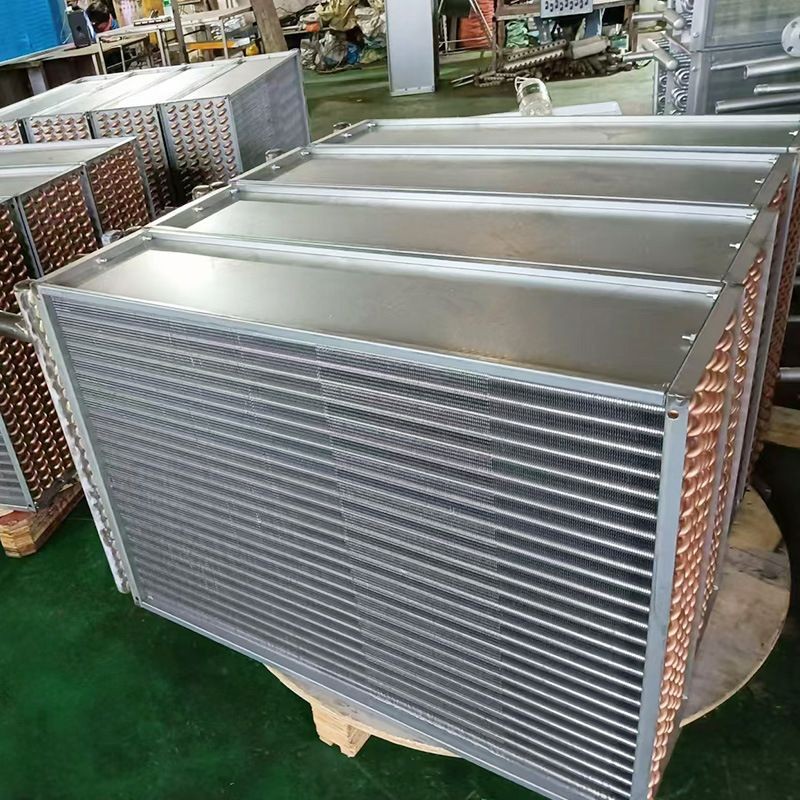
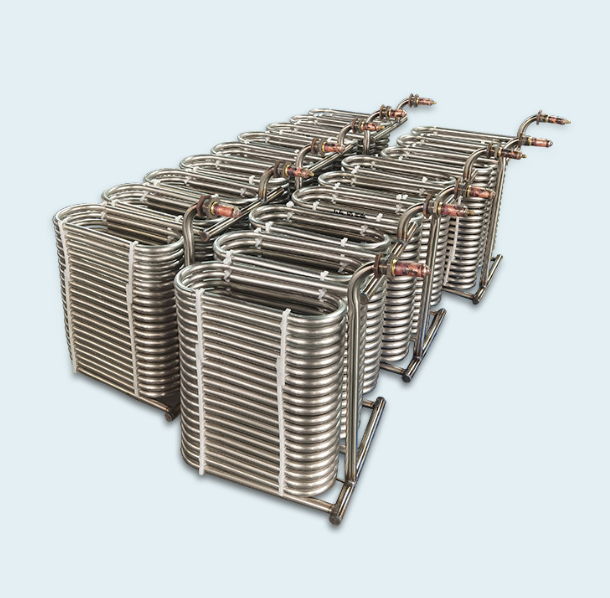
So, what exactly is the moisture removal rate? Simply put, it's the amount of moisture that an evaporator can remove from the air within a given period of time. It's usually measured in pounds or kilograms per hour.
The moisture removal rate of a G - type Evaporator depends on several factors. One of the most important factors is the size of the evaporator. Generally speaking, larger evaporators have a higher moisture removal rate because they have more surface area for the air to come into contact with. The design of the G - type Evaporator also plays a crucial role. The shape and arrangement of the coils can affect how efficiently the evaporator can extract moisture from the air.
Another factor that affects the moisture removal rate is the temperature and humidity of the incoming air. If the air is warmer and more humid, the evaporator will be able to remove more moisture. This is because warmer air can hold more water vapor, and when it comes into contact with the cold coils of the evaporator, the water vapor condenses and is removed.
Let's take a closer look at how a G - type Evaporator works to remove moisture. When warm, humid air passes over the cold coils of the evaporator, the water vapor in the air condenses into liquid water. This water then drips down into a collection pan and is drained away. The cooled and dehumidified air is then circulated back into the space.
Now, let's talk about how the moisture removal rate of a G - type Evaporator compares to other types of evaporators. There are several types of evaporators out there, such as the Cold Storage Evaporator, Corrosion - Proof Evaporator, and Flat Plate Evaporator.
The Cold Storage Evaporator is designed specifically for use in cold storage facilities. It's optimized to remove moisture and maintain a low humidity level to prevent frost buildup. The Corrosion - Proof Evaporator, as the name suggests, is resistant to corrosion, which is important in environments where there are corrosive substances present. The Flat Plate Evaporator has a flat design, which can be more efficient in some applications.
Compared to these other types of evaporators, the G - type Evaporator has its own unique advantages. It's known for its high efficiency in moisture removal, especially in medium - sized applications. It also has a relatively compact design, which makes it easy to install in different settings.
However, it's important to note that the moisture removal rate of a G - type Evaporator can vary depending on the specific model and the operating conditions. Some G - type Evaporators are designed for high - humidity environments, while others are better suited for lower - humidity applications.
To get the most accurate moisture removal rate for a G - type Evaporator, it's best to consult the manufacturer's specifications. These specifications will give you detailed information about the evaporator's performance under different conditions.
If you're in the market for an evaporator and are considering a G - type Evaporator, it's important to do your research. Look at the moisture removal rate, as well as other factors such as energy efficiency, durability, and cost. You can also talk to other users or industry experts to get their opinions.
As a supplier of G - type Evaporators, I'm here to help you make the right choice. If you have any questions about the moisture removal rate or any other aspect of our G - type Evaporators, feel free to reach out. We can provide you with more detailed information and help you find the best evaporator for your specific needs.
Whether you're running a cold storage facility, an industrial plant, or any other operation that requires moisture control, a G - type Evaporator could be the solution you're looking for. So, don't hesitate to contact us for more information and to start a discussion about your procurement needs.
In conclusion, the moisture removal rate of a G - type Evaporator is an important factor to consider when choosing an evaporator. By understanding how it works and what factors affect it, you can make an informed decision and select the right evaporator for your application.
References:
- Industry reports on evaporator performance
- Manufacturer's specifications for G - type Evaporators