

Hey there! As a supplier of U-type condensers, I've seen firsthand how important it is to reduce energy consumption. Not only does it save money for our customers, but it's also better for the environment. In this blog, I'm gonna share some practical tips on how to cut down the energy use of a U-type condenser.
1. Regular Maintenance
One of the most crucial things you can do is to keep your U-type condenser well - maintained. A dirty condenser has to work harder to transfer heat, which means it uses more energy. Just like a car engine needs regular oil changes and tune - ups, a condenser needs regular cleaning.
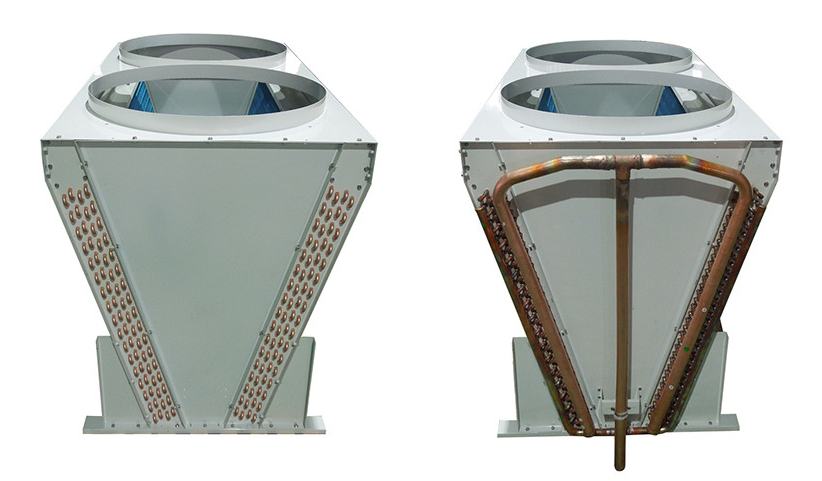
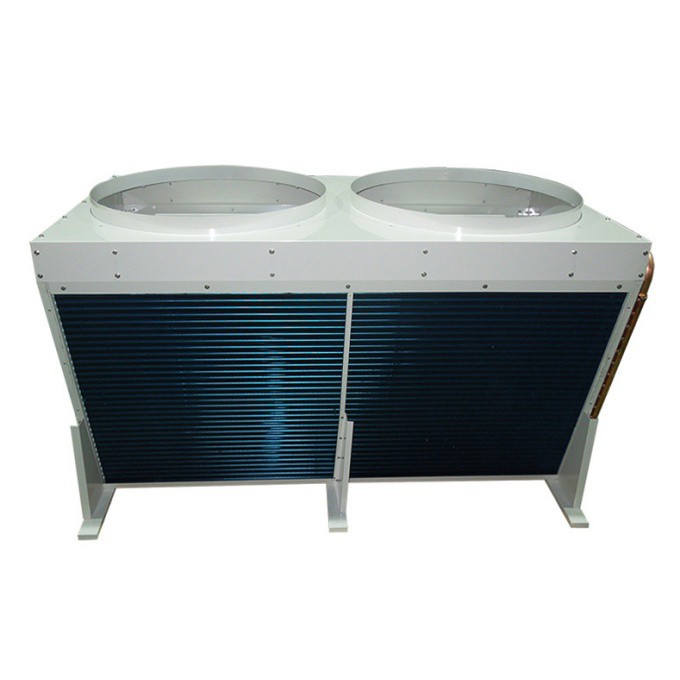
The coils of the condenser can accumulate dust, dirt, and debris over time. This build - up acts as an insulator, preventing efficient heat transfer. You should clean the coils at least once a year, or more frequently if the condenser is in a dirty or dusty environment. You can use a soft brush or a low - pressure water spray to clean the coils gently.
Also, check the fan regularly. A malfunctioning fan can cause poor air circulation, leading to increased energy consumption. Make sure the fan blades are clean and not damaged. If the fan motor is making strange noises or not running smoothly, it might need to be repaired or replaced.
2. Optimize the Operating Conditions
The operating conditions of the U-type condenser play a big role in its energy consumption. First, pay attention to the refrigerant charge. An under - charged or over - charged system can lead to inefficient operation. You need to make sure the refrigerant level is within the manufacturer's recommended range. A professional technician can use specialized tools to measure and adjust the refrigerant charge accurately.
The temperature and humidity of the surrounding environment also matter. If the condenser is installed in a hot and humid area, it will have to work harder to reject heat. Try to install the condenser in a shaded area or provide some form of ventilation to keep the ambient temperature down. This can significantly reduce the energy needed for the condenser to operate.
3. Upgrade to Energy - Efficient Components
Technology is always evolving, and there are now many energy - efficient components available for U-type condensers. For example, you can upgrade to a high - efficiency fan motor. These motors are designed to use less electricity while still providing the same or better performance. They often have variable speed controls, which means they can adjust the fan speed according to the actual cooling needs.
Another option is to install a smart controller. A smart controller can monitor the condenser's operation and adjust settings in real - time. It can optimize the compressor's operation, fan speed, and refrigerant flow based on factors like the ambient temperature, load, and time of day. This can lead to significant energy savings over time.
4. Proper Sizing
One of the biggest mistakes people make is installing a condenser that is either too large or too small for their needs. An oversized condenser will cycle on and off frequently, which is not only inefficient but can also cause wear and tear on the components. On the other hand, an undersized condenser will have to work continuously to meet the cooling demand, using more energy in the process.
When choosing a U-type condenser, make sure to consult with a professional. They can perform a load calculation to determine the right size for your specific application. This will ensure that the condenser operates at its most efficient level.
5. Use Energy - Saving Features
Many modern U-type condensers come with built - in energy - saving features. For example, some condensers have a demand - defrost feature. This feature only initiates the defrost cycle when it's actually needed, rather than on a fixed schedule. This can save a lot of energy, especially in areas with fluctuating temperatures.
Some condensers also have a night - setback feature. This allows you to reduce the cooling capacity during off - peak hours, such as at night when the cooling demand is lower. By taking advantage of these features, you can further reduce the energy consumption of your U-type condenser.
Related Products
If you're interested in different types of condensers, we also offer Commercial Ac Condenser, Water Cooled Refrigeration Condenser, and Marine Condenser. These products are designed to meet various needs and can be customized to fit your specific requirements.
Let's Connect
Reducing the energy consumption of a U-type condenser is not only beneficial for your wallet but also for the planet. If you have any questions about our U-type condensers or need advice on how to reduce energy consumption, don't hesitate to reach out. We're here to help you make the most energy - efficient choices for your cooling needs. Let's start a conversation and see how we can work together to achieve your goals.
References
- ASHRAE Handbook of Refrigeration. American Society of Heating, Refrigerating and Air - Conditioning Engineers.
- "Energy - efficient HVAC Systems" by Energy Star. U.S. Environmental Protection Agency.