

Cold storage evaporators play a crucial role in maintaining the proper temperature and humidity levels within cold storage facilities. However, like any mechanical component, they can encounter various problems over time. As a leading Cold Storage Evaporator supplier, I have extensive experience in troubleshooting these issues. In this blog, I will share some common problems with cold storage evaporators and effective troubleshooting methods.
Common Problems with Cold Storage Evaporators
Frost Build - up
One of the most common problems with cold storage evaporators is frost build - up. Frost can accumulate on the evaporator coils over time, which restricts the airflow and reduces the heat transfer efficiency. This can lead to increased energy consumption and poor cooling performance. Frost build - up can be caused by several factors, such as high humidity in the cold storage, a malfunctioning defrost system, or improper airflow.
Refrigerant Leaks
Refrigerant leaks are another significant issue. A refrigerant leak can cause a drop in the refrigerant level, which in turn affects the cooling capacity of the evaporator. Leaks can occur due to corrosion, physical damage to the refrigerant lines, or faulty connections. Detecting refrigerant leaks early is crucial to prevent further damage and ensure the proper operation of the cold storage system.
Fan Malfunctions
The fans in the cold storage evaporator are responsible for circulating the air over the evaporator coils. If the fans malfunction, the airflow will be disrupted, leading to uneven cooling and reduced efficiency. Fan problems can be caused by motor failures, belt issues, or blockages in the fan blades.
Coil Blockages
Coil blockages can occur due to the accumulation of dirt, dust, or debris on the evaporator coils. This restricts the heat transfer between the refrigerant and the air, reducing the cooling efficiency. Blockages can also be caused by ice formation or the growth of mold and mildew.
Troubleshooting Methods
Frost Build - up Troubleshooting
- Check the Defrost System: First, examine the defrost system to ensure it is functioning properly. This includes checking the defrost timer, defrost heater, and defrost thermostat. If the defrost timer is not set correctly, it may not initiate the defrost cycle at the appropriate intervals. A faulty defrost heater may not generate enough heat to melt the frost, and a malfunctioning defrost thermostat may not accurately detect the temperature during the defrost cycle.
- Reduce Humidity: High humidity in the cold storage can contribute to frost build - up. Consider installing a dehumidifier to reduce the moisture content in the air. Additionally, ensure that the cold storage is properly sealed to prevent the entry of warm, humid air from the outside.
- Improve Airflow: Make sure that the airflow around the evaporator is unobstructed. Check for any blockages in the ductwork or near the evaporator coils. You can also adjust the fan speed to increase the airflow if necessary.
Refrigerant Leak Troubleshooting
- Use Leak Detection Tools: There are several tools available for detecting refrigerant leaks, such as electronic leak detectors and ultraviolet (UV) dye. Apply the UV dye to the refrigerant system and use a UV light to detect any leaks. Electronic leak detectors can also be used to sense the presence of refrigerant in the air.
- Inspect the Refrigerant Lines: Carefully examine the refrigerant lines for signs of corrosion, physical damage, or loose connections. If a leak is detected, the damaged section of the line should be repaired or replaced. It is important to follow proper safety procedures when working with refrigerants.
- Recharge the Refrigerant: Once the leak has been repaired, the refrigerant level needs to be recharged to the appropriate level. This should be done by a qualified technician using the correct refrigerant type and amount.
Fan Malfunction Troubleshooting
- Check the Motor: Inspect the fan motor for any signs of damage or overheating. Check the electrical connections to ensure they are secure. If the motor is not running, it may need to be replaced.
- Examine the Belts: If the fan is belt - driven, check the belts for wear and tension. Loose or worn belts can cause the fan to operate inefficiently or not at all. Adjust or replace the belts as needed.
- Remove Blockages: Check the fan blades for any blockages, such as dirt, dust, or debris. Clean the fan blades to ensure smooth operation.
Coil Blockage Troubleshooting
- Clean the Coils: Regularly clean the evaporator coils to remove dirt, dust, and debris. You can use a soft brush or a coil cleaner to clean the coils. Make sure to follow the manufacturer's instructions when using a coil cleaner.
- Prevent Ice Formation: Ensure that the defrost system is working properly to prevent ice formation on the coils. If ice has already formed, you may need to manually defrost the coils using a warm cloth or a defrosting agent.
- Control Mold and Mildew: To prevent the growth of mold and mildew on the coils, maintain proper humidity levels in the cold storage. You can also use anti - microbial treatments on the coils to inhibit the growth of mold and mildew.
The Role of Different Types of Evaporators
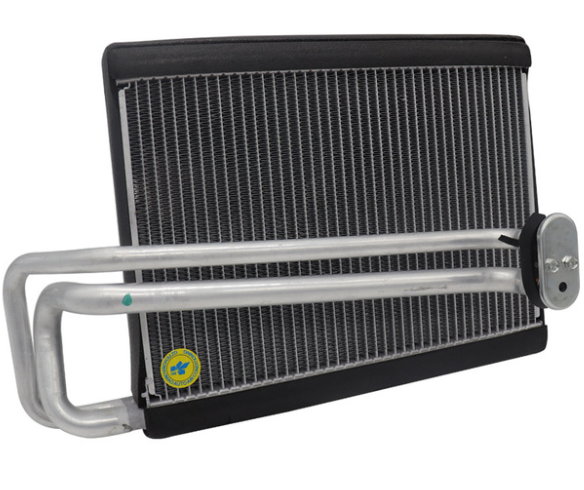
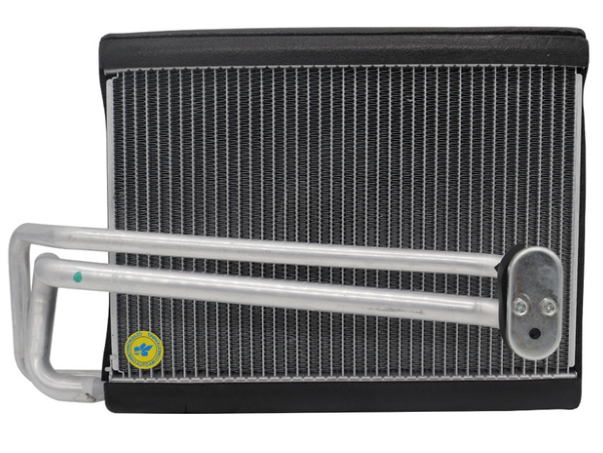
When it comes to cold storage, different types of evaporators are available, each with its own characteristics and applications. For example, Heat Pump Evaporator is often used in systems that require both heating and cooling functions. These evaporators are designed to transfer heat efficiently between the refrigerant and the surrounding environment.
Evaporator Of Car Ac is another type of evaporator, which is specifically designed for automotive air - conditioning systems. Although it is not directly related to cold storage, understanding its working principle can provide some insights into the general operation of evaporators.
Flat Plate Evaporator is known for its compact design and high heat transfer efficiency. It is suitable for applications where space is limited and a high level of heat transfer is required.
Conclusion
Troubleshooting cold storage evaporator problems requires a systematic approach. By understanding the common problems and their causes, you can take appropriate measures to resolve them. Regular maintenance and inspection of the evaporator are essential to ensure its long - term performance and reliability.
As a Cold Storage Evaporator supplier, we are committed to providing high - quality products and professional technical support. If you are experiencing problems with your cold storage evaporator or are interested in purchasing our products, please feel free to contact us for further discussions and procurement negotiations. We look forward to working with you to ensure the smooth operation of your cold storage system.
References
- ASHRAE Handbook - Refrigeration. American Society of Heating, Refrigerating and Air - Conditioning Engineers.
- Refrigeration and Air Conditioning Technology by William C. Whitman, William M. Johnson, and John A. Tomczyk.