

As a leading supplier of energy - saving evaporators, I've had the privilege of witnessing firsthand how these remarkable devices perform in various environments. In this blog, I'll delve into the performance of energy - saving evaporators in high - temperature settings, exploring their mechanisms, advantages, and real - world applications.
Understanding Energy - Saving Evaporators
Before we discuss their performance in high - temperature environments, it's essential to understand what energy - saving evaporators are and how they function. Evaporators are heat exchangers that play a crucial role in refrigeration, air - conditioning, and other cooling systems. They work by absorbing heat from the surrounding environment, causing a refrigerant to evaporate from a liquid state to a gas.
Energy - saving evaporators are designed with advanced technologies to enhance efficiency and reduce energy consumption. These technologies may include improved heat transfer surfaces, optimized refrigerant flow, and intelligent controls. By minimizing energy waste, these evaporators help users save on operating costs while reducing their environmental impact.
Performance in High - Temperature Environments
1. Heat Transfer Efficiency
In high - temperature environments, ensuring efficient heat transfer is crucial for the performance of an evaporator. Our energy - saving evaporators are equipped with high - performance heat transfer surfaces, such as fins or tubes with enhanced geometries. These surfaces increase the contact area between the refrigerant and the surrounding air or liquid, facilitating more effective heat transfer.
For instance, in a hot industrial plant where the ambient temperature can reach over 40°C, our evaporators maintain high heat transfer coefficients. This allows them to quickly absorb heat from the process fluid or air, even when the temperature difference between the refrigerant and the surroundings is relatively small. The efficient heat transfer ensures that the cooling system can maintain its desired temperature and capacity, despite the challenging external conditions.
2. Refrigerant Management
Proper refrigerant management is another key factor in the performance of evaporators in high - temperature environments. High temperatures can cause the refrigerant to vaporize more rapidly, increasing the pressure within the system. Our energy - saving evaporators are designed with advanced refrigerant flow control mechanisms to handle these challenges.
We use precision - engineered expansion valves that can accurately regulate the flow of refrigerant into the evaporator. This ensures that the refrigerant is properly distributed across the heat transfer surface, maximizing heat absorption. Additionally, our evaporators are designed to operate within a wide range of pressures, allowing them to adapt to the changes in refrigerant behavior at high temperatures.
3. Compressor Load and Energy Savings
In high - temperature environments, the compressor in a cooling system has to work harder to maintain the desired cooling effect. However, our energy - saving evaporators help reduce the compressor load by improving the overall efficiency of the system.
By efficiently absorbing heat from the surroundings, the evaporator ensures that the refrigerant enters the compressor at a lower temperature. This reduces the amount of work the compressor needs to do to compress the refrigerant, resulting in lower energy consumption. In some cases, the use of our energy - saving evaporators can lead to energy savings of up to 30% compared to traditional evaporators in high - temperature applications.
Types of Energy - Saving Evaporators for High - Temperature Environments
1. U-type Evaporator
The U - type evaporator is a popular choice for high - temperature applications. Its unique U - shaped design provides a larger heat transfer surface area within a compact space. This makes it ideal for installations where space is limited, such as in some industrial cooling systems or small - scale refrigeration units operating in hot climates.
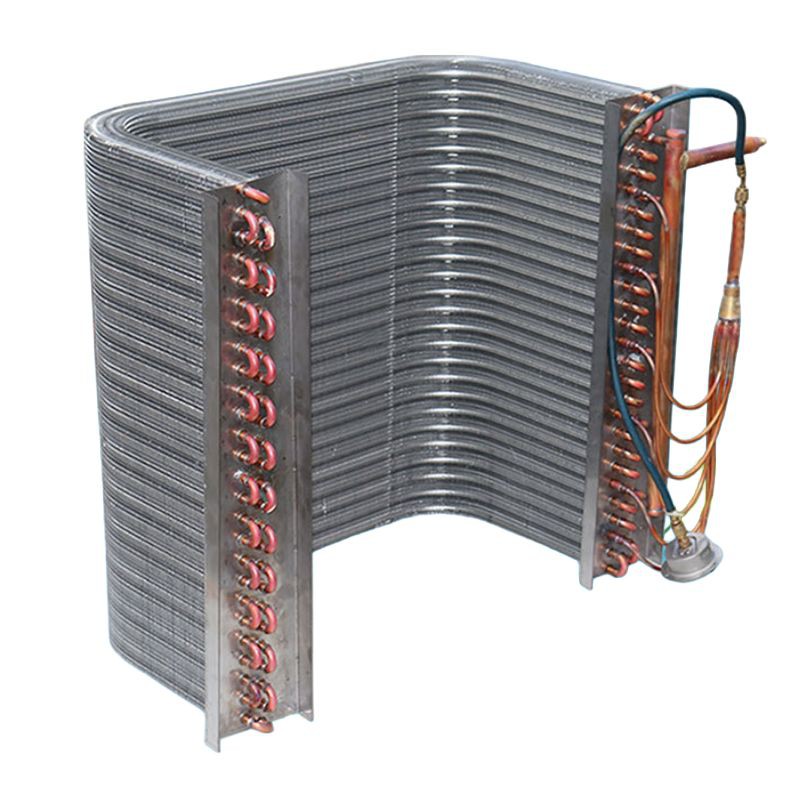
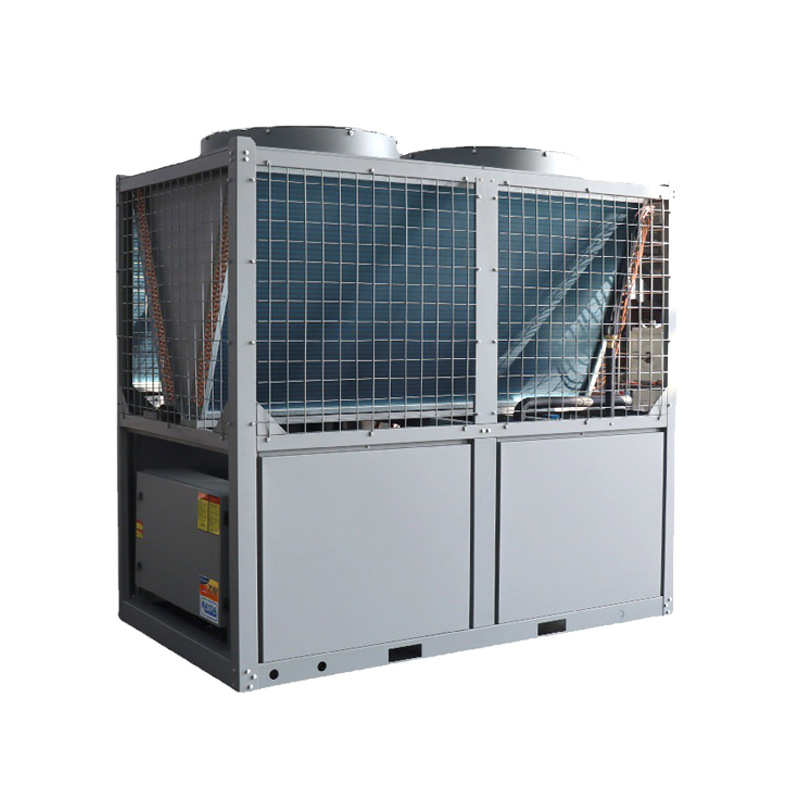
The U - type configuration also allows for better refrigerant distribution, ensuring uniform heat transfer across the evaporator. This helps maintain consistent cooling performance even in high - temperature environments.
2. Heat Pump Evaporator
Heat pump evaporators are designed to work in conjunction with heat pumps, which can both heat and cool a space. In high - temperature environments, heat pump evaporators play a crucial role in absorbing heat from the outside air or other heat sources.
Our heat pump evaporators are optimized to perform efficiently at high temperatures. They use advanced refrigerant mixtures that have better thermodynamic properties at elevated temperatures, allowing for more effective heat transfer. This enables the heat pump system to provide reliable cooling even when the outside temperature is extremely high.
3. Commercial Kitchen Evaporator
Commercial kitchens are typically high - temperature environments due to the large number of cooking appliances and the continuous generation of heat. Our commercial kitchen evaporators are specifically designed to meet the demanding cooling requirements of these environments.
They are constructed with durable materials that can withstand high temperatures and the presence of grease and other contaminants. The evaporators are also designed for easy cleaning and maintenance, ensuring long - term performance and reliability. Additionally, their energy - saving features help reduce operating costs for restaurant owners and other commercial kitchen operators.
Real - World Applications and Case Studies
Industrial Cooling
In many industrial processes, such as chemical manufacturing and metal processing, precise temperature control is essential. High - temperature environments can pose significant challenges to cooling systems, but our energy - saving evaporators have proven to be reliable solutions.
For example, in a chemical plant, the evaporators are used to cool the process fluids. By maintaining efficient heat transfer in the high - temperature environment, the evaporators help ensure the stability of the chemical reactions and prevent overheating of the equipment. This not only improves the quality of the products but also enhances the overall efficiency of the production process.
Food and Beverage Industry
The food and beverage industry often requires strict temperature control to preserve the quality and safety of products. In high - temperature regions, cold storage facilities and refrigerated transport rely on efficient evaporators to maintain the desired temperature.
Our energy - saving evaporators have been successfully installed in numerous food processing plants and cold storage warehouses. In a large - scale fruit storage facility, the use of our evaporators has resulted in significant energy savings while keeping the fruits at the optimal temperature for freshness. This has helped the company reduce its operating costs and extend the shelf life of its products.
Conclusion
In conclusion, energy - saving evaporators perform exceptionally well in high - temperature environments. Their advanced design and technologies enable efficient heat transfer, proper refrigerant management, and reduced compressor load, resulting in reliable cooling performance and significant energy savings.
Whether you're in the industrial sector, food and beverage industry, or commercial kitchen business, our range of energy - saving evaporators, including U - type Evaporators, Heat Pump Evaporators, and Commercial Kitchen Evaporators, can meet your cooling needs.
If you're interested in learning more about how our energy - saving evaporators can benefit your specific application or are looking to make a purchase, we encourage you to contact our sales team for a detailed discussion. We're committed to providing you with the best solutions and support to help you achieve your energy - saving and cooling goals.
References
- ASHRAE Handbook: Refrigeration. American Society of Heating, Refrigerating and Air - Conditioning Engineers.
- “Thermal Performance of Heat Exchangers in High - Temperature Environments”. Journal of Thermal Science and Engineering Applications.
- “Advances in Refrigerant Technology for Energy - Efficient Cooling Systems”. International Journal of Refrigeration.