

In the realm of air - conditioning systems, the multi - effect evaporator plays a pivotal and multi - faceted role. As an evaporator supplier, I have witnessed firsthand how this remarkable piece of equipment can transform the efficiency and performance of air - conditioning setups.
The Basics of a Multi - effect Evaporator
A multi - effect evaporator is a complex and sophisticated device that operates on the principle of multiple stages of evaporation. In essence, it uses the latent heat of vaporization from one stage to heat the next stage. This sequential process allows for a more efficient use of energy compared to single - effect evaporators.
In an air - conditioning system, the primary function of an evaporator is to absorb heat from the surrounding air. The refrigerant within the evaporator undergoes a phase change from a liquid to a vapor as it absorbs heat. This heat absorption cools the air passing over the evaporator coils, which is then circulated into the conditioned space.
Energy Efficiency in Air - Conditioning
One of the most significant roles of a multi - effect evaporator in an air - conditioning system is its contribution to energy efficiency. Traditional single - effect evaporators often consume a large amount of energy to achieve the desired cooling effect. However, multi - effect evaporators can significantly reduce energy consumption.
By reusing the latent heat from one evaporation stage in subsequent stages, multi - effect evaporators can achieve a high coefficient of performance (COP). A higher COP means that the air - conditioning system can produce more cooling effect for the same amount of energy input. This not only reduces the operating costs for the end - user but also makes the air - conditioning system more environmentally friendly.
For example, in large commercial buildings where air - conditioning accounts for a substantial portion of the energy consumption, a multi - effect evaporator can lead to significant savings. The reduced energy consumption also means a lower carbon footprint, which is in line with the growing global emphasis on sustainable building practices.
Enhanced Cooling Capacity
Another crucial role of the multi - effect evaporator is its ability to enhance the cooling capacity of an air - conditioning system. The multiple stages of evaporation allow for a more efficient transfer of heat from the air to the refrigerant. This results in a more rapid cooling of the air passing over the evaporator coils.
In hot and humid climates, where the demand for cooling is high, a multi - effect evaporator can provide a more effective cooling solution. It can handle larger volumes of air and remove more heat, ensuring that the indoor environment remains comfortable even during peak summer months.
Types of Evaporators and Their Applications in Air - Conditioning
As an evaporator supplier, we offer a range of evaporators, each with its unique features and applications in air - conditioning systems.
Corrosion - Proof Evaporator
A Corrosion - Proof Evaporator is an excellent choice for air - conditioning systems in harsh environments. These evaporators are designed to resist corrosion, which can be caused by factors such as humidity, chemicals, and salt air. In coastal areas or industrial settings, where the air contains corrosive elements, a corrosion - proof evaporator can ensure the long - term reliability and performance of the air - conditioning system.
Direct Evaporator
The Direct Evaporator is a simple yet effective solution for air - conditioning. It directly cools the air by evaporating water. This type of evaporator is often used in small - scale air - conditioning applications, such as in homes or small offices. It is energy - efficient and can provide a comfortable indoor environment at a relatively low cost.
Heat Pump Evaporator
The Heat Pump Evaporator is an essential component in heat pump - based air - conditioning systems. It can operate in both heating and cooling modes. In the cooling mode, it absorbs heat from the indoor air, while in the heating mode, it extracts heat from the outdoor air. This versatility makes it a popular choice for air - conditioning systems in regions with varying climates.
Maintenance and Long - term Performance
Proper maintenance of the multi - effect evaporator is crucial for its long - term performance in an air - conditioning system. Regular cleaning of the evaporator coils is necessary to ensure efficient heat transfer. Over time, dust, dirt, and debris can accumulate on the coils, reducing their ability to absorb heat.
In addition, checking the refrigerant levels and the integrity of the evaporator's components is essential. Any leaks or malfunctions can lead to a decrease in the cooling efficiency of the air - conditioning system. As an evaporator supplier, we provide comprehensive maintenance services to ensure that our customers' air - conditioning systems operate at their best.
Cost - effectiveness
While the initial investment in a multi - effect evaporator may be higher than that of a single - effect evaporator, the long - term cost - effectiveness is undeniable. The energy savings over time can offset the higher upfront cost. Moreover, the enhanced cooling capacity and reliability of the multi - effect evaporator can lead to a longer lifespan of the air - conditioning system, reducing the need for frequent replacements.
Conclusion
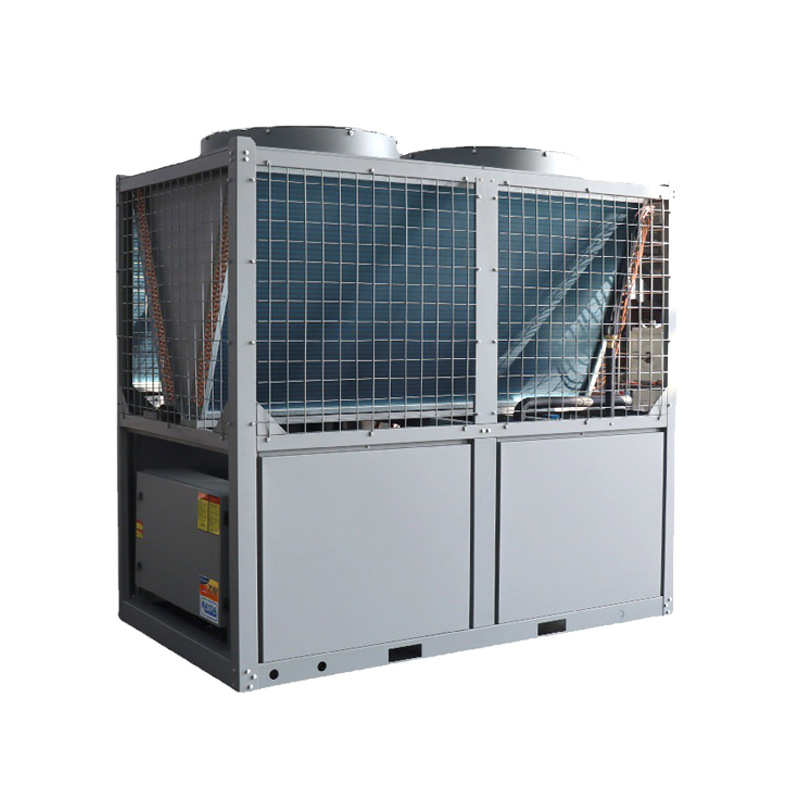
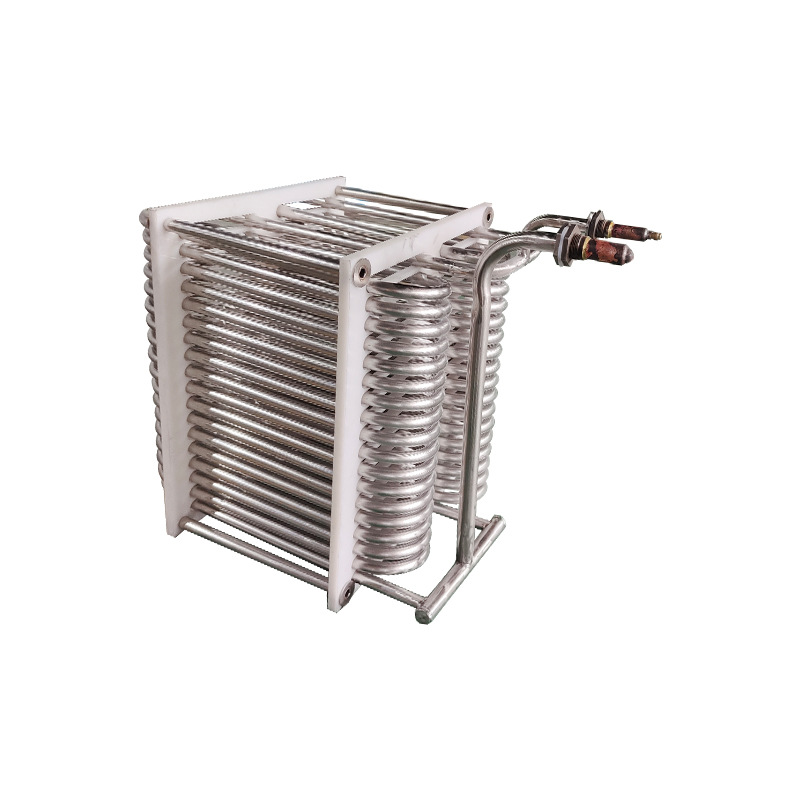
In conclusion, the multi - effect evaporator plays a vital role in air - conditioning systems. Its energy - saving capabilities, enhanced cooling capacity, and versatility make it an ideal choice for a wide range of applications. As an evaporator supplier, we are committed to providing high - quality evaporators that meet the diverse needs of our customers.
If you are interested in learning more about our evaporators or would like to discuss your air - conditioning requirements, we invite you to contact us for a procurement discussion. Our team of experts is ready to assist you in finding the perfect evaporator solution for your air - conditioning system.
References
- ASHRAE Handbook of HVAC Systems and Equipment.
- Refrigeration and Air - Conditioning Technology by William C. Whitman, William M. Johnson, and John A. Tomczyk.