

In the power generation industry, condensers play a pivotal role in the energy conversion process. As a well - established supplier of condensers in the industry, I am excited to share with you how these crucial components work.
The Basics of a Condenser in Power Generation
A condenser in the power generation industry is a heat exchanger that converts steam back into liquid water. This process is essential in steam - based power plants, such as coal - fired, nuclear, and some natural gas - fired power plants. The basic principle behind a condenser is the transfer of heat from the steam to a cooling medium, typically water.
When high - pressure steam expands through a turbine, it loses energy and does work to turn the turbine, which in turn drives a generator to produce electricity. After passing through the turbine, the low - pressure steam enters the condenser. Inside the condenser, the steam comes into contact with a series of tubes through which the cooling water flows.
The Working Mechanism
The working mechanism of a condenser can be broken down into several key steps:
Steam Inlet
The low - pressure steam from the turbine enters the condenser through the steam inlet. This steam is at a relatively low temperature and pressure compared to the steam that entered the turbine. The steam fills the condenser shell, which is a large, enclosed chamber.
Heat Transfer
The cooling water enters the condenser through a series of tubes. These tubes are usually made of materials with high thermal conductivity, such as copper or stainless steel. As the steam surrounds the tubes, heat is transferred from the steam to the cooling water. The steam loses heat and begins to condense into liquid water.
The heat transfer process is governed by the laws of thermodynamics. The temperature difference between the steam and the cooling water is the driving force for heat transfer. The greater the temperature difference, the faster the heat transfer rate.
Condensate Collection
As the steam condenses, the liquid water (condensate) collects at the bottom of the condenser. This condensate is then pumped back to the boiler to be reheated and converted back into steam, completing the cycle.

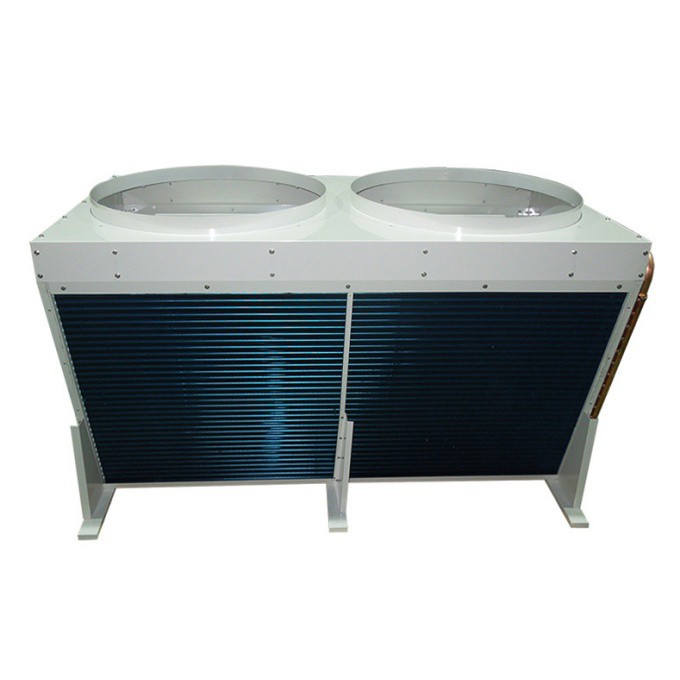
Air Removal
In addition to steam and condensate, there may be non - condensable gases, such as air, present in the condenser. These gases can reduce the efficiency of the condenser by creating a layer of insulation on the tube surfaces, which hinders heat transfer. To remove these non - condensable gases, a vacuum pump is used to create a low - pressure environment inside the condenser. This forces the non - condensable gases to be drawn out of the condenser.
Types of Condensers in the Power Generation Industry
There are several types of condensers used in the power generation industry, each with its own advantages and applications.
Surface Condensers
Surface condensers are the most commonly used type of condenser in power plants. In a surface condenser, the steam and the cooling water are separated by a tube wall. The steam condenses on the outside of the tubes, while the cooling water flows through the inside of the tubes. Surface condensers are highly efficient and can handle large volumes of steam.
Jet Condensers
Jet condensers work by mixing the steam with the cooling water directly. The steam is condensed by the cold water jets, and the resulting mixture is then removed from the condenser. Jet condensers are simpler in design and are often used in smaller power plants or in applications where space is limited.
Our Product Offerings
As a supplier of condensers in the industry, we offer a wide range of products to meet the diverse needs of power generation plants.
Marine Condenser
Our Marine Condenser is specifically designed for use in marine power generation systems. These condensers are built to withstand the harsh marine environment, including saltwater corrosion and high - pressure conditions. They are highly efficient and reliable, ensuring optimal performance in marine applications.
Corrosion - resistant Condenser
Our Corrosion - resistant Condenser is ideal for power plants located in areas with high levels of corrosion. These condensers are made from materials that are resistant to corrosion, such as titanium or special alloys. This ensures a longer service life and reduces maintenance costs.
Water Cooled Refrigeration Condenser
Our Water Cooled Refrigeration Condenser is used in power plants that require refrigeration for various processes. These condensers use water as a cooling medium to remove heat from the refrigerant, ensuring efficient operation of the refrigeration system.
Factors Affecting Condenser Performance
Several factors can affect the performance of a condenser in the power generation industry.
Cooling Water Temperature
The temperature of the cooling water has a significant impact on the condenser's performance. A lower cooling water temperature allows for more efficient heat transfer, resulting in a lower steam pressure and higher power plant efficiency. However, in some regions, the availability of cold water may be limited, which can affect the condenser's performance.
Tube Fouling
Over time, the tubes in the condenser can become fouled with dirt, scale, and other contaminants. This reduces the heat transfer efficiency of the condenser and can lead to increased energy consumption. Regular maintenance, including tube cleaning, is essential to prevent tube fouling.
Steam Flow Rate
The steam flow rate through the condenser also affects its performance. A higher steam flow rate requires a larger condenser to ensure proper condensation. If the steam flow rate is too high for the condenser's capacity, the steam may not be fully condensed, leading to reduced efficiency.
Importance of Condensers in Power Generation
Condensers are essential for the efficient operation of power plants. By converting steam back into liquid water, condensers allow the steam cycle to be repeated, maximizing the energy conversion efficiency. A well - functioning condenser can significantly improve the overall efficiency of a power plant, reducing fuel consumption and greenhouse gas emissions.
Conclusion
In conclusion, condensers are a critical component in the power generation industry. Their ability to convert steam into liquid water through heat transfer is essential for the efficient operation of power plants. As a supplier of condensers, we are committed to providing high - quality products that meet the specific needs of our customers.
If you are in the power generation industry and are looking for a reliable condenser supplier, we invite you to contact us for a detailed discussion about your requirements. Our team of experts is ready to assist you in selecting the right condenser for your power plant.
References
- "Power Plant Engineering" by P. K. Nag
- "Thermal Power Plant: Design and Operation" by V. Ganesan