

In the realm of cold storage systems, the compatibility of a cold storage evaporator with other components is a crucial factor that determines the overall efficiency, performance, and reliability of the entire setup. As a trusted Cold Storage Evaporator supplier, we understand the significance of ensuring seamless integration between the evaporator and other elements of the cold storage system. In this blog, we will delve into the intricacies of this compatibility, exploring how different components interact and the impact it has on the functionality of the cold storage facility.
Understanding the Role of a Cold Storage Evaporator
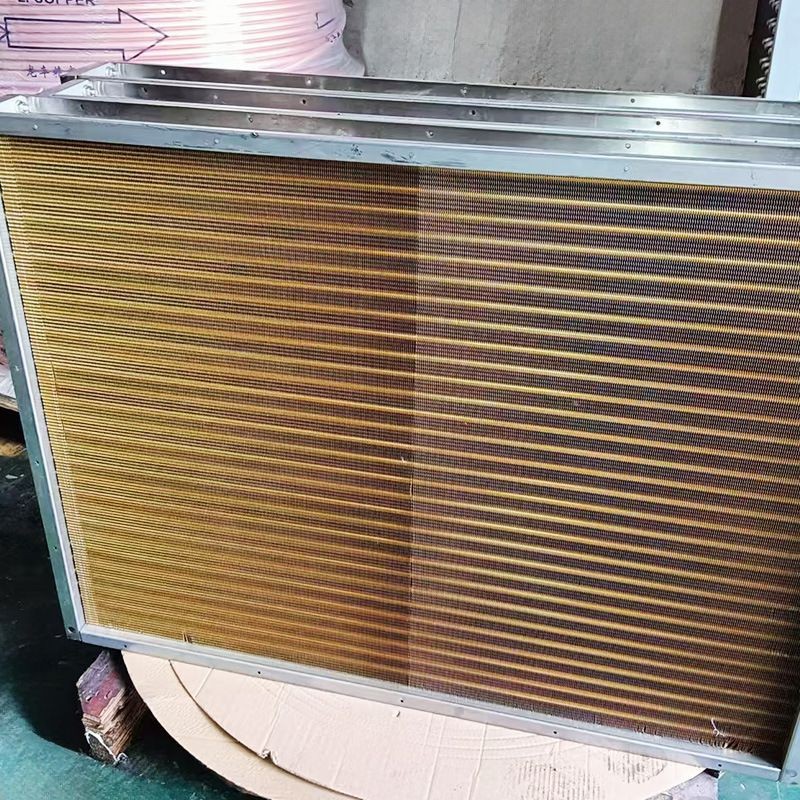
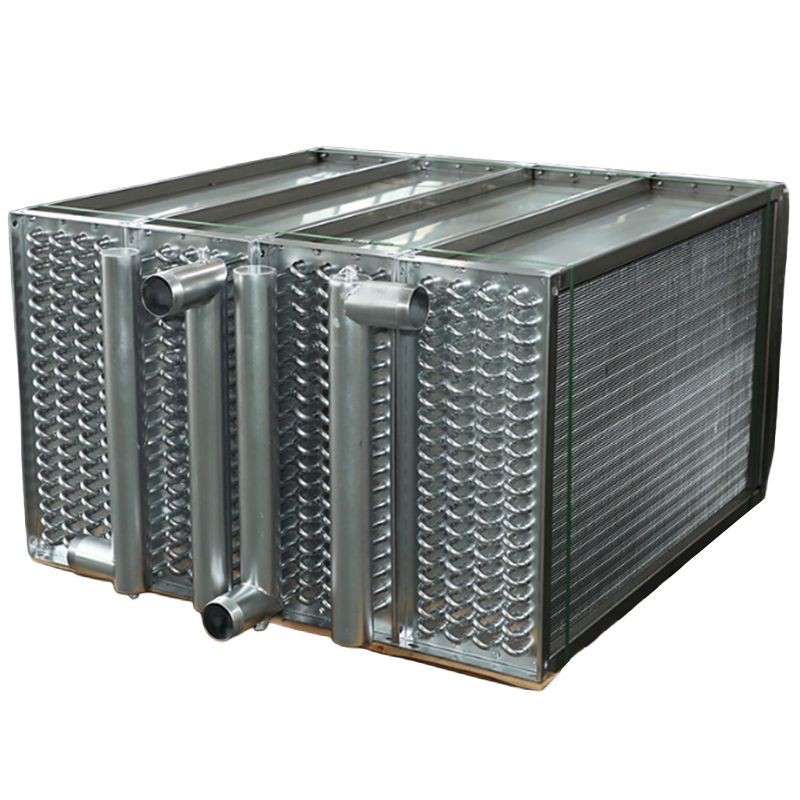
A Cold Storage Evaporator is a vital component in a refrigeration system, responsible for absorbing heat from the surrounding environment and facilitating the cooling process. It works by allowing a refrigerant to evaporate, which in turn absorbs heat from the air or product being cooled. This process is essential for maintaining the desired temperature within the cold storage facility.
The efficiency of a cold storage evaporator depends on various factors, including its design, size, and the type of refrigerant used. Different evaporators are designed to meet specific requirements, such as different temperature ranges, humidity levels, and airflow rates. For example, U-type Evaporator are commonly used in cold storage applications due to their compact design and high heat transfer efficiency.
Compatibility with Compressors
The compressor is another critical component in a cold storage system, responsible for compressing the refrigerant and circulating it through the system. The compatibility between the evaporator and the compressor is essential for ensuring optimal performance. The compressor must be able to provide the necessary pressure and flow rate to match the capacity of the evaporator.
If the compressor is too small for the evaporator, it may not be able to provide enough refrigerant flow, resulting in reduced cooling capacity and inefficient operation. On the other hand, if the compressor is too large, it may cause excessive pressure and temperature fluctuations, leading to premature wear and tear on the components. Therefore, it is crucial to select a compressor that is properly sized and compatible with the evaporator.
Compatibility with Condensers
The condenser is responsible for releasing the heat absorbed by the refrigerant in the evaporator. It works by condensing the refrigerant from a gas to a liquid, releasing the heat in the process. The compatibility between the evaporator and the condenser is crucial for maintaining the proper balance of heat transfer in the system.
The condenser must be able to dissipate the heat generated by the evaporator efficiently. If the condenser is not properly sized or designed, it may not be able to handle the heat load, resulting in reduced cooling efficiency and potential system failures. Therefore, it is important to select a condenser that is compatible with the evaporator and can provide the necessary heat transfer capacity.
Compatibility with Expansion Valves
The expansion valve is a critical component in the refrigeration system, responsible for controlling the flow of refrigerant into the evaporator. It works by regulating the pressure and temperature of the refrigerant, ensuring that it evaporates at the appropriate rate. The compatibility between the evaporator and the expansion valve is essential for maintaining the proper balance of refrigerant flow and temperature control.
If the expansion valve is not properly sized or adjusted, it may cause excessive or insufficient refrigerant flow, leading to inefficient operation and potential system failures. Therefore, it is important to select an expansion valve that is compatible with the evaporator and can provide the necessary flow control.
Compatibility with Fans and Airflow Systems
The fans and airflow systems in a cold storage facility play a crucial role in ensuring proper heat transfer and temperature distribution. The compatibility between the evaporator and the fans and airflow systems is essential for maintaining the desired temperature and humidity levels within the cold storage facility.
The fans must be able to provide the necessary airflow to ensure that the refrigerant in the evaporator is properly circulated and that the heat is effectively transferred. If the fans are not properly sized or designed, it may result in uneven temperature distribution and reduced cooling efficiency. Therefore, it is important to select fans and airflow systems that are compatible with the evaporator and can provide the necessary airflow.
Importance of Compatibility Testing
To ensure the compatibility of a cold storage evaporator with other components, it is important to conduct thorough compatibility testing. This testing involves evaluating the performance of the evaporator in combination with other components under different operating conditions. By conducting compatibility testing, we can identify any potential issues or limitations and make the necessary adjustments to ensure optimal performance.
Compatibility testing can also help us to select the most suitable components for a specific cold storage application. By understanding the requirements of the application and the performance characteristics of the components, we can make informed decisions and ensure that the entire system is designed and installed to meet the specific needs of the customer.
Conclusion
In conclusion, the compatibility of a cold storage evaporator with other components is a critical factor that determines the overall efficiency, performance, and reliability of the cold storage system. As a Cold Storage Evaporator supplier, we understand the importance of ensuring seamless integration between the evaporator and other elements of the system. By selecting the right components, conducting thorough compatibility testing, and providing proper installation and maintenance, we can ensure that our customers' cold storage facilities operate at optimal efficiency and provide reliable performance.
If you are in the market for a Cold Storage Evaporator or have any questions about the compatibility of your cold storage system, please do not hesitate to contact us. Our team of experts is available to provide you with the information and support you need to make the right decision for your cold storage needs.
References
- ASHRAE Handbook - Refrigeration
- Refrigeration and Air Conditioning Technology, 8th Edition by William C. Whitman, William M. Johnson, and John A. Tomczyk
- Cold Storage Design and Operation Guide by the International Institute of Refrigeration