

As a provider of energy-saving evaporators, I've witnessed firsthand the increasing demand for efficient and eco-friendly solutions in various industries. Energy-saving evaporators play a crucial role in reducing energy consumption and operational costs, making them a top choice for businesses looking to enhance their sustainability. However, the energy-saving effect of an energy-saving evaporator is influenced by several factors. In this blog, I'll delve into these factors to help you understand how to optimize the performance of your energy-saving evaporator.
1. Evaporator Design
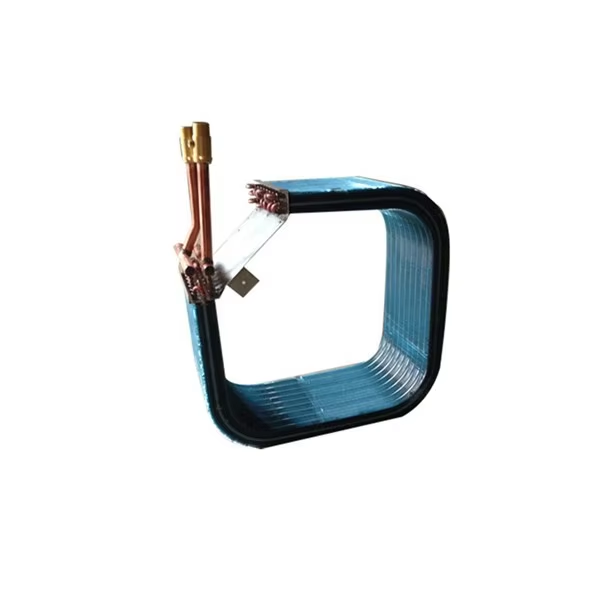
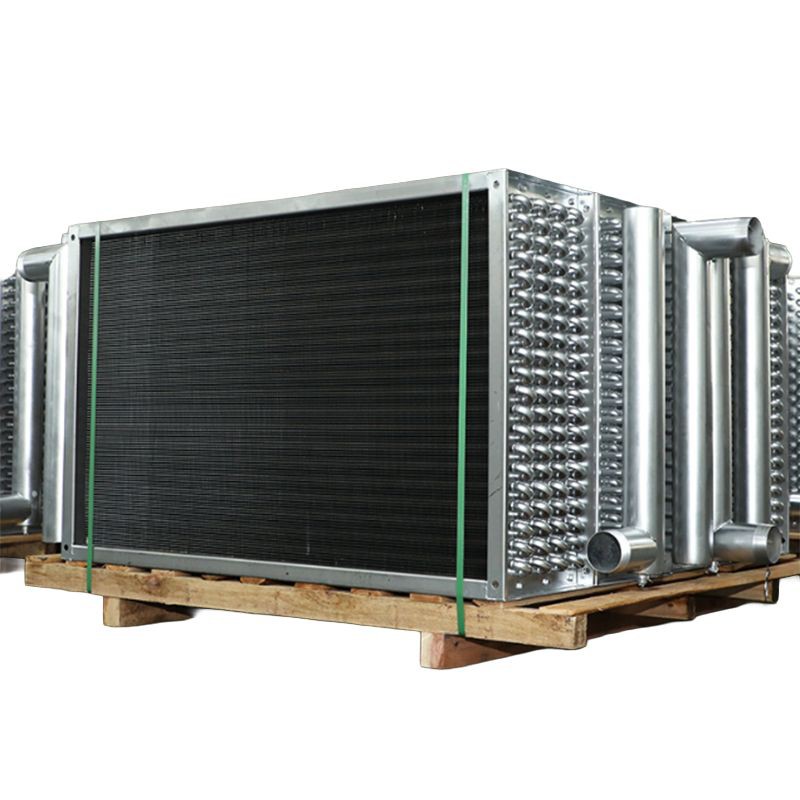
The design of an energy-saving evaporator is fundamental to its energy-saving performance. Different types of evaporators, such as the U-type Evaporator and G-type Evaporator, have distinct design features that affect their energy efficiency.
- Heat Transfer Surface Area: A larger heat transfer surface area allows for more efficient heat exchange between the refrigerant and the fluid being cooled. This means that more heat can be transferred in a shorter period, reducing the energy required to achieve the desired temperature. Evaporators with a well-designed tube layout and fin configuration can maximize the heat transfer surface area, enhancing energy efficiency.
- Flow Path Design: The flow path of the refrigerant and the fluid being cooled also impacts energy efficiency. A well-designed flow path ensures that the refrigerant and the fluid are evenly distributed across the heat transfer surface, minimizing temperature differences and improving heat transfer efficiency. Additionally, a smooth flow path reduces pressure drop, which in turn reduces the energy required to pump the fluids through the evaporator.
- Insulation: Proper insulation is essential to prevent heat loss from the evaporator. Insulation materials with high thermal resistance can significantly reduce the amount of energy needed to maintain the desired temperature inside the evaporator. This is particularly important in applications where the evaporator is exposed to high ambient temperatures or where energy conservation is a priority.
2. Refrigerant Selection
The choice of refrigerant is another critical factor that affects the energy-saving effect of an energy-saving evaporator. Different refrigerants have different thermodynamic properties, such as boiling point, latent heat of vaporization, and specific heat capacity, which can impact the efficiency of the evaporator.
- Energy Efficiency: Refrigerants with high energy efficiency can reduce the amount of energy required to operate the evaporator. For example, some modern refrigerants have a lower global warming potential (GWP) and a higher coefficient of performance (COP), which means they can transfer more heat with less energy input.
- Environmental Impact: In addition to energy efficiency, the environmental impact of the refrigerant is also an important consideration. Refrigerants with a high GWP can contribute to global warming, while those with a low GWP are more environmentally friendly. As a result, many industries are transitioning to low-GWP refrigerants to meet environmental regulations and reduce their carbon footprint.
- Compatibility: The refrigerant must be compatible with the materials used in the evaporator to ensure reliable operation. Incompatible refrigerants can cause corrosion, leaks, and other problems that can reduce the efficiency and lifespan of the evaporator.
3. Operating Conditions
The operating conditions of the energy-saving evaporator, such as temperature, pressure, and flow rate, can also have a significant impact on its energy-saving effect.
- Temperature: The temperature difference between the refrigerant and the fluid being cooled is a key factor in determining the efficiency of the evaporator. A larger temperature difference allows for more efficient heat transfer, but it also requires more energy to maintain. Therefore, it's important to find the optimal temperature difference that balances energy efficiency and performance.
- Pressure: The pressure of the refrigerant and the fluid being cooled can also affect the energy efficiency of the evaporator. Higher pressures can increase the heat transfer rate, but they also require more energy to maintain. Therefore, it's important to operate the evaporator at the optimal pressure to minimize energy consumption.
- Flow Rate: The flow rate of the refrigerant and the fluid being cooled can also impact the energy efficiency of the evaporator. A higher flow rate can increase the heat transfer rate, but it also requires more energy to pump the fluids through the evaporator. Therefore, it's important to find the optimal flow rate that balances energy efficiency and performance.
4. Maintenance and Monitoring
Regular maintenance and monitoring are essential to ensure the optimal performance of the energy-saving evaporator.
- Cleaning: Over time, the heat transfer surface of the evaporator can become fouled with dirt, debris, and other contaminants, which can reduce its efficiency. Regular cleaning of the evaporator can remove these contaminants and restore its performance.
- Inspection: Regular inspection of the evaporator can help identify any potential problems, such as leaks, corrosion, or damage, before they become serious. This can help prevent costly repairs and downtime.
- Monitoring: Monitoring the operating parameters of the evaporator, such as temperature, pressure, and flow rate, can help identify any changes in performance and allow for timely adjustments. This can help optimize the energy efficiency of the evaporator and reduce operating costs.
5. System Integration
The integration of the energy-saving evaporator into the overall system is also an important factor that affects its energy-saving effect.
- Compatibility: The evaporator must be compatible with the other components of the system, such as the compressor, condenser, and expansion valve, to ensure reliable operation. Incompatible components can cause problems, such as reduced efficiency, increased energy consumption, and premature failure.
- Control System: A well-designed control system can optimize the operation of the evaporator and the overall system. The control system can adjust the operating parameters of the evaporator, such as temperature, pressure, and flow rate, based on the demand for cooling. This can help reduce energy consumption and improve the efficiency of the system.
- Energy Management: The energy-saving evaporator can be integrated into an energy management system to further optimize energy consumption. The energy management system can monitor the energy usage of the evaporator and the overall system and make adjustments to reduce energy consumption.
In conclusion, the energy-saving effect of an energy-saving evaporator is influenced by several factors, including evaporator design, refrigerant selection, operating conditions, maintenance and monitoring, and system integration. By understanding these factors and taking appropriate measures to optimize the performance of the evaporator, businesses can achieve significant energy savings and reduce their environmental impact.
If you're interested in learning more about our energy-saving evaporators or would like to discuss your specific requirements, please feel free to contact us. We're committed to providing high-quality, energy-efficient solutions that meet the needs of our customers.
References
- ASHRAE Handbook - Refrigeration. American Society of Heating, Refrigerating and Air-Conditioning Engineers.
- Refrigeration and Air Conditioning Technology. William C. Whitman, William M. Johnson, John A. Tomczyk, and Eugene Silberstein.
- Energy Efficiency in Refrigeration Systems. International Institute of Refrigeration.