

What is the maintenance schedule for an industrial condenser?
As a supplier of industrial condensers, I understand the critical role these components play in various industrial processes. An industrial condenser is an essential part of many systems, including refrigeration, power generation, and chemical processing. Regular maintenance is crucial to ensure its efficient operation, extend its lifespan, and prevent costly breakdowns. In this blog, I will discuss the maintenance schedule for an industrial condenser and provide some insights into best practices.
Initial Installation and Commissioning
Before the condenser is put into operation, a thorough inspection and commissioning process is necessary. This includes checking the condenser for any damage during transportation, ensuring proper installation according to the manufacturer's specifications, and verifying the connections of pipes, electrical systems, and control devices. A test run should be conducted to ensure that the condenser is functioning correctly and that all parameters are within the acceptable range.
Daily Maintenance
- Visual Inspection: Conduct a daily visual inspection of the condenser. Check for any signs of leaks, such as water or refrigerant drips, and look for any visible damage to the condenser tubes, fins, or casing. Inspect the fan blades for any signs of wear or damage, and ensure that the fans are operating smoothly.
- Cleanliness: Keep the condenser clean. Remove any debris, dirt, or leaves that may accumulate on the condenser coils or fins. This can be done using a soft brush or compressed air. A clean condenser will have better heat transfer efficiency, which is essential for its proper operation.
- Monitoring: Monitor the operating parameters of the condenser, such as temperature, pressure, and flow rate. Keep a record of these parameters to detect any abnormal changes over time. Any significant deviations from the normal operating range may indicate a problem that needs to be addressed.
Weekly Maintenance
- Lubrication: Check the lubrication levels of the condenser's moving parts, such as the fan motors and pumps. If necessary, add the appropriate lubricant according to the manufacturer's recommendations. Proper lubrication will reduce friction and wear, ensuring the smooth operation of these components.
- Filter Cleaning or Replacement: If the condenser is equipped with air or water filters, check them weekly. Clean or replace the filters as needed to maintain proper airflow or water flow through the condenser. Clogged filters can reduce the efficiency of the condenser and may lead to overheating.
- Electrical Connections: Inspect the electrical connections of the condenser. Check for any loose or corroded connections, and tighten or clean them as necessary. Loose electrical connections can cause electrical problems and may even pose a safety hazard.
Monthly Maintenance
- Condenser Coil Cleaning: Every month, perform a more thorough cleaning of the condenser coils. This can be done using a coil cleaner and a soft brush. Remove any stubborn dirt or debris that may have accumulated on the coils. A clean coil will improve the heat transfer efficiency of the condenser and reduce energy consumption.
- Pressure Testing: Conduct a pressure test on the condenser to check for any leaks. This can be done using a pressure gauge and a suitable testing medium. If any leaks are detected, they should be repaired immediately to prevent refrigerant loss and ensure the proper operation of the condenser.
- Control System Check: Check the control system of the condenser to ensure that it is functioning correctly. Test the temperature and pressure sensors, as well as the control valves. Make any necessary adjustments to ensure that the condenser is operating at the optimal settings.
Quarterly Maintenance
- Inspection of Refrigerant Levels: Every quarter, check the refrigerant levels in the condenser. If the refrigerant level is low, it may indicate a leak in the system. Add refrigerant as needed, but be sure to follow the manufacturer's guidelines and safety procedures.
- Belt Tension Check: If the condenser is driven by a belt, check the belt tension quarterly. A loose or worn belt can cause the condenser to operate inefficiently or may even lead to belt failure. Adjust the belt tension as necessary to ensure proper operation.
- Performance Evaluation: Evaluate the performance of the condenser on a quarterly basis. Compare the current operating parameters with the baseline data to determine if the condenser is operating at its optimal efficiency. If there are any significant changes in performance, investigate the cause and take appropriate corrective actions.
Annual Maintenance
- Comprehensive Inspection: Conduct a comprehensive inspection of the condenser once a year. This includes a detailed examination of all components, including the tubes, fins, casing, and electrical systems. Look for any signs of corrosion, wear, or damage, and repair or replace any faulty components as needed.
- Tube Cleaning: Clean the condenser tubes annually to remove any scale or deposits that may have accumulated over time. This can be done using a chemical cleaning solution or a mechanical cleaning method. Clean tubes will improve the heat transfer efficiency of the condenser and extend its lifespan.
- Calibration of Instruments: Calibrate all the instruments and sensors associated with the condenser annually. This includes temperature sensors, pressure gauges, and flow meters. Accurate instrument readings are essential for the proper operation and monitoring of the condenser.
Special Considerations for Different Types of Condensers
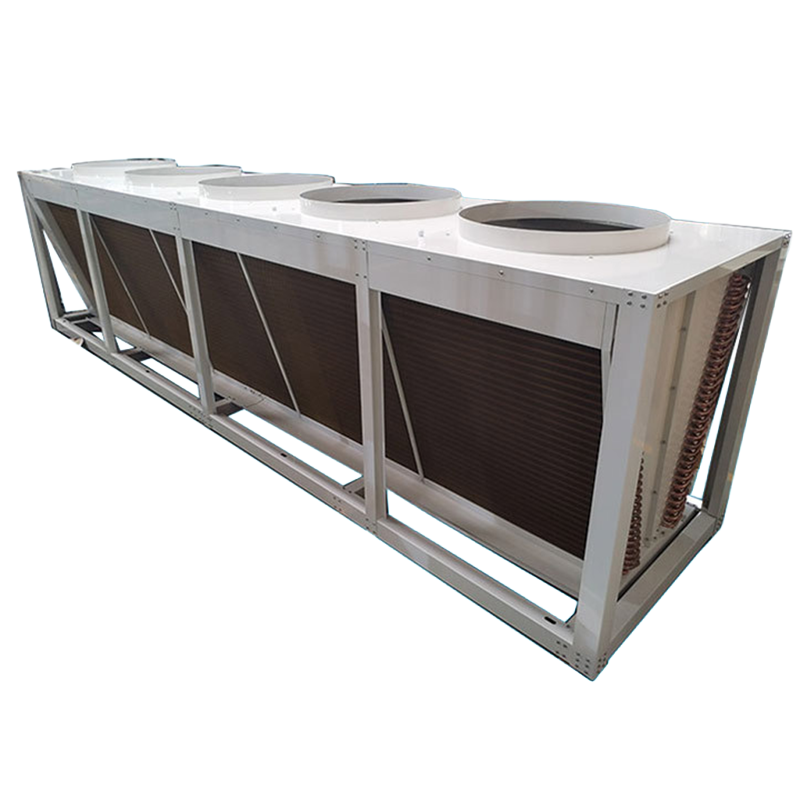
- G-type Condenser: The G-type Condenser is designed for specific industrial applications. It may require additional maintenance procedures depending on its design and operating conditions. For example, the G-type condenser may have unique tube configurations or fin designs that need to be carefully inspected and maintained.
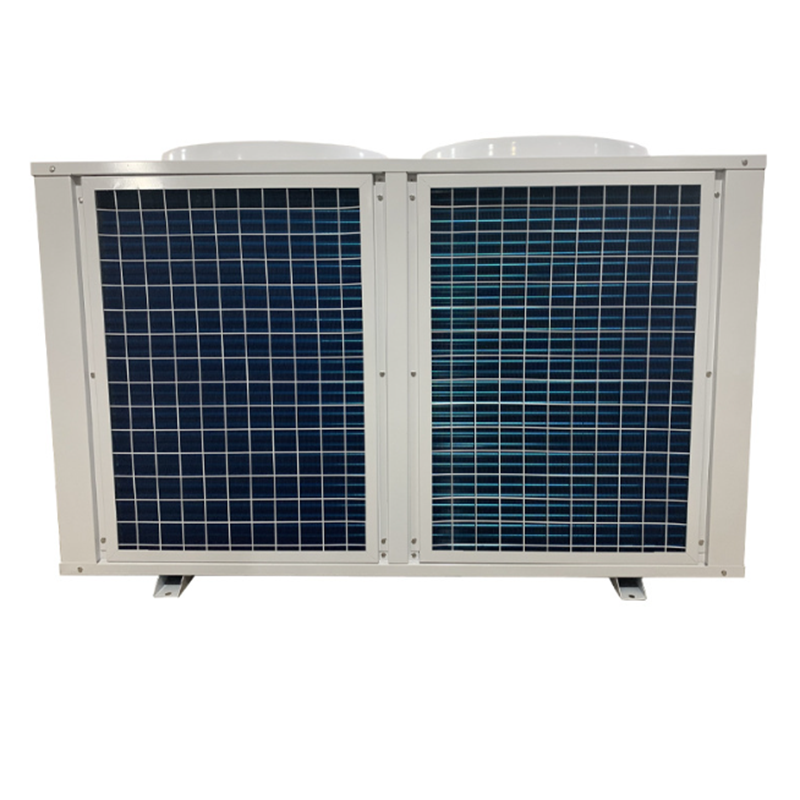
- Condensing Unit Air Cooled: The Condensing Unit Air Cooled relies on air to dissipate heat. Therefore, it is essential to keep the air intake and outlet areas clean and unobstructed. Regularly clean the fan blades and the condenser coils to ensure proper airflow and heat transfer.
- Corrosion-resistant Condenser: The Corrosion-resistant Condenser is designed to withstand harsh environments. However, it still requires regular maintenance to ensure its long-term performance. Check the corrosion-resistant coating regularly for any signs of damage or degradation, and repair or replace it as needed.
Conclusion
Maintaining an industrial condenser is a critical task that requires a well-planned and systematic approach. By following the maintenance schedule outlined above, you can ensure the efficient operation of your condenser, extend its lifespan, and prevent costly breakdowns. If you have any questions or need further assistance with the maintenance of your industrial condenser, please feel free to contact us. We are a leading supplier of industrial condensers and can provide you with the expertise and support you need.
References
- ASHRAE Handbook - Refrigeration. American Society of Heating, Refrigerating and Air-Conditioning Engineers.
- Manufacturer's manuals for industrial condensers.