

Hey there! I'm a supplier of Fan Coil Heat Exchangers, and today I want to dive into the topic of what the air volume of a Fan Coil Heat Exchanger is.
Let's start with the basics. A Fan Coil Heat Exchanger plays a crucial role in many HVAC (Heating, Ventilation, and Air Conditioning) systems. It's designed to transfer heat between the air and a refrigerant or a heating/cooling fluid. And the air volume is a key factor that determines how well it can perform its job.
The air volume of a Fan Coil Heat Exchanger refers to the amount of air that the unit can move through it in a given period of time. It's typically measured in cubic feet per minute (CFM) in the United States or cubic meters per hour (m³/h) in many other parts of the world.
Why is the air volume so important? Well, it directly affects the heat transfer efficiency. A higher air volume means more air is passing over the heat exchanger coils, which allows for more effective heat transfer. If the air volume is too low, the heat transfer process will be less efficient, and the system may not be able to cool or heat the space as effectively as it should.
Now, let's talk about the factors that can influence the air volume of a Fan Coil Heat Exchanger.
Fan Design and Performance
The fan is the heart of the Fan Coil Heat Exchanger when it comes to moving air. The design of the fan, including its blade shape, size, and speed, has a significant impact on the air volume. A well - designed fan with the right blade pitch and diameter can move a larger volume of air. For example, a centrifugal fan is often used in Fan Coil Heat Exchangers because it can generate high pressure and move a large amount of air. The speed of the fan also matters. A faster - spinning fan will generally move more air, but it also consumes more energy.
Coil Design
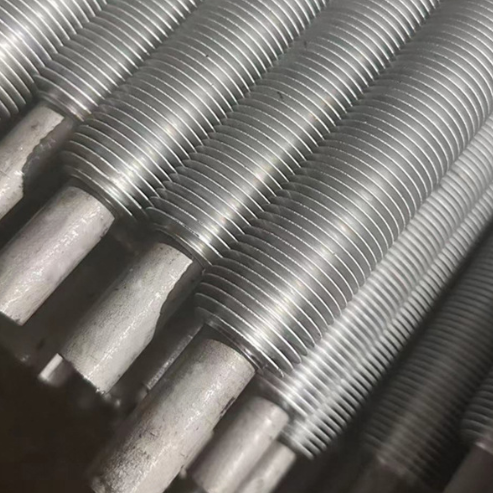
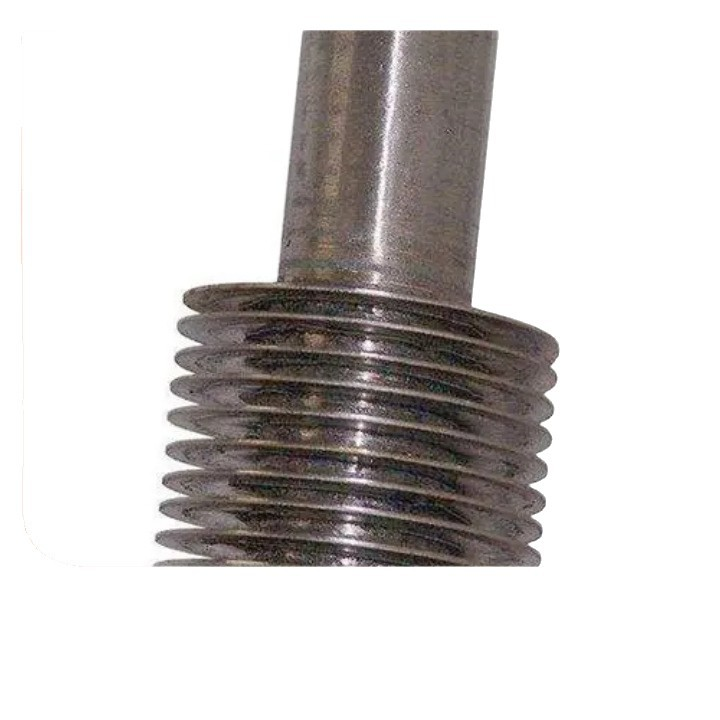
The design of the heat exchanger coils also affects the air volume. The Copper Tube with Aluminum Fins used in the coils can influence the airflow. The fins increase the surface area of the coils, which enhances heat transfer. However, if the fins are too dense, they can restrict the airflow and reduce the air volume. On the other hand, if the fins are too sparse, the heat transfer efficiency may be compromised.
System Resistance
The overall resistance in the HVAC system can have a big impact on the air volume. This includes the resistance caused by ductwork, filters, and other components. If the ductwork is too long, has too many bends, or the filters are clogged, the air will face more resistance, and the air volume will decrease. It's important to ensure that the system is properly designed and maintained to minimize resistance.
Operating Conditions
The operating conditions, such as the temperature and humidity of the air, can also affect the air volume. For example, in hot and humid conditions, the air is denser, which can make it more difficult for the fan to move the air. This may result in a lower air volume compared to cooler and drier conditions.
As a Fan Coil Heat Exchanger supplier, we understand the importance of getting the air volume right. We offer a wide range of Fan Coil Heat Exchangers with different air volume capacities to meet the needs of various applications. Whether you need a small - scale unit for a residential space or a large - scale unit for a commercial building, we've got you covered.
When it comes to choosing the right Fan Coil Heat Exchanger for your project, it's essential to consider the required air volume. You need to calculate the heat load of the space you want to cool or heat and then select a unit with an appropriate air volume to ensure efficient operation.
If you're in the market for Cooling Fins for Copper Tubing or a Fan Coil Heat Exchanger, don't hesitate to reach out. We can provide you with detailed information about our products, including their air volume specifications, and help you make an informed decision. Our team of experts is always ready to assist you in finding the best solution for your specific needs.
In conclusion, the air volume of a Fan Coil Heat Exchanger is a critical parameter that affects its performance and efficiency. By understanding the factors that influence it, you can make better choices when selecting a unit for your HVAC system. Whether you're a contractor, an engineer, or a building owner, we're here to support you in getting the most out of your Fan Coil Heat Exchanger. So, if you have any questions or are interested in purchasing our products, feel free to contact us for a consultation.
References:
- HVAC System Design Handbook
- Fan Coil Heat Exchanger Technical Manuals