

As a supplier of G - type condensers, I often get asked about the condensation efficiency of these remarkable devices. Condensation efficiency is a critical parameter that determines how effectively a condenser can convert a vapor into a liquid. In this blog, we'll explore what the condensation efficiency of a G - type condenser is, the factors that influence it, and why it matters in various applications.
Understanding Condensation Efficiency
Condensation efficiency is defined as the ratio of the actual amount of vapor condensed to the maximum amount of vapor that could potentially be condensed under ideal conditions. For a G - type condenser, this efficiency is influenced by several key factors, including the design of the condenser, the properties of the working fluid, and the operating conditions.
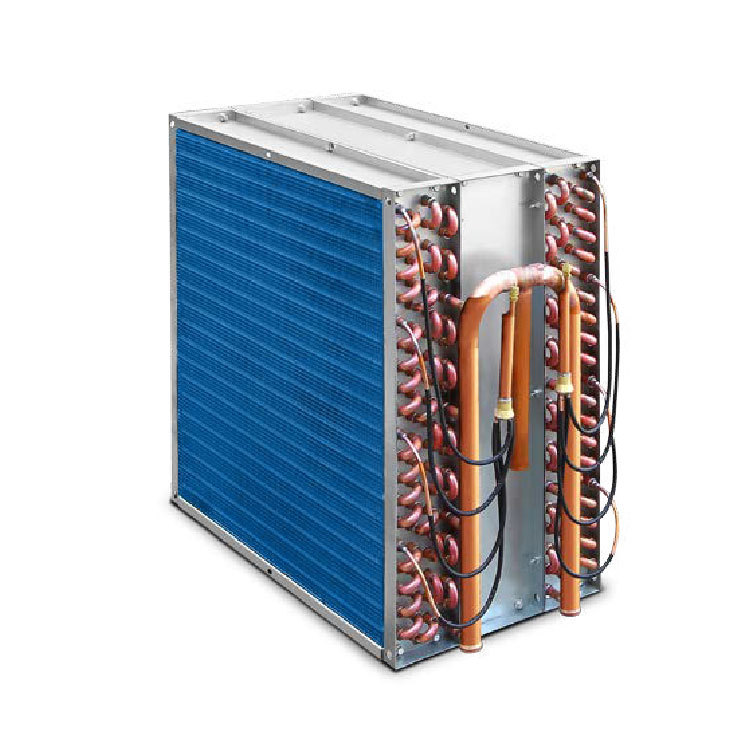
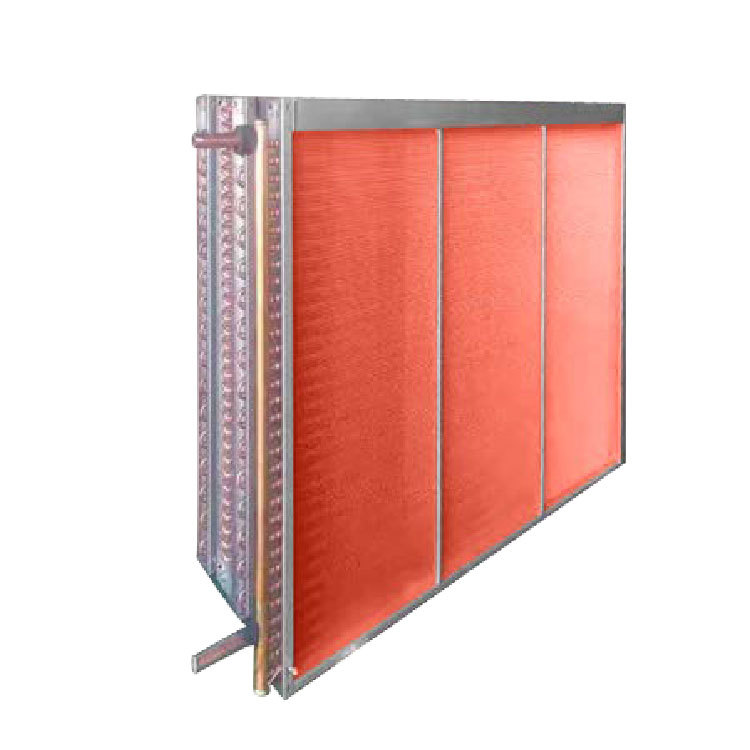
The design of a G - type condenser plays a crucial role in its condensation efficiency. The shape, size, and arrangement of the condenser tubes or plates can affect the heat transfer rate between the vapor and the cooling medium. A well - designed G - type condenser will have a large surface area for heat transfer, which allows for more efficient condensation. Additionally, the flow path of the vapor and the cooling medium should be optimized to ensure maximum contact and heat exchange.
The properties of the working fluid also impact condensation efficiency. Different fluids have different boiling points, latent heats of vaporization, and thermal conductivities. For example, a fluid with a high latent heat of vaporization will require more energy to condense, but it may also transfer heat more effectively. The choice of working fluid should be based on the specific requirements of the application, such as the operating temperature and pressure.
Operating conditions, such as temperature and pressure, are also important factors. Higher temperatures and pressures generally lead to lower condensation efficiencies because the vapor is more difficult to condense. The temperature difference between the vapor and the cooling medium is a key determinant of the heat transfer rate. A larger temperature difference will result in a higher heat transfer rate and, therefore, a higher condensation efficiency.
Factors Affecting Condensation Efficiency in G - type Condensers
1. Heat Transfer Surface Area
The heat transfer surface area of a G - type condenser is directly related to its condensation efficiency. A larger surface area provides more space for the vapor to come into contact with the cooling medium, facilitating heat transfer and condensation. Manufacturers often design G - type condensers with finned tubes or plates to increase the surface area without significantly increasing the size of the condenser.
2. Flow Rate
The flow rate of the vapor and the cooling medium can also affect condensation efficiency. If the flow rate of the vapor is too high, it may not have enough time to condense fully. On the other hand, if the flow rate of the cooling medium is too low, it may not be able to remove the heat from the vapor effectively. Finding the optimal flow rates is essential for maximizing condensation efficiency.
3. Cooling Medium
The choice of cooling medium is crucial. Water is a commonly used cooling medium due to its high specific heat capacity and availability. However, in some applications, air - cooled condensers may be preferred, especially in areas where water is scarce. The type of cooling medium and its temperature will influence the condensation efficiency of the G - type condenser.
4. Fouling
Fouling, which refers to the accumulation of dirt, debris, or other substances on the heat transfer surface, can significantly reduce condensation efficiency. Over time, fouling can insulate the heat transfer surface, reducing the heat transfer rate and increasing the energy required to condense the vapor. Regular maintenance and cleaning of the G - type condenser are necessary to prevent fouling and maintain high condensation efficiency.
Importance of Condensation Efficiency in Different Applications
Industrial Applications
In industrial settings, G - type condensers are used in various processes, such as chemical manufacturing, power generation, and refrigeration. High condensation efficiency is essential for these applications to ensure the efficient operation of the processes and to reduce energy consumption. For example, in a chemical plant, a G - type condenser with high condensation efficiency can recover valuable chemicals from the vapor phase, reducing waste and improving the overall productivity of the plant.
Cold Storage
Cold Storage Condenser is another area where G - type condensers are widely used. In cold storage facilities, condensers are responsible for removing heat from the refrigeration system to maintain the desired temperature. A high - efficiency G - type condenser can help reduce the energy consumption of the refrigeration system, resulting in cost savings for the facility.
Air Conditioning
In air conditioning systems, G - type condensers play a vital role in removing heat from the indoor environment. The condensation efficiency of the condenser affects the overall performance and energy efficiency of the air conditioning system. A more efficient condenser can cool the air more effectively and use less energy, providing a more comfortable and cost - effective cooling solution.
Comparing G - type Condensers with Other Types
There are different types of condensers available in the market, such as Evaporative Condensing Unit and Condensing Unit Air Cooled. Each type has its own advantages and disadvantages in terms of condensation efficiency.
Evaporative condensing units use the evaporation of water to remove heat from the vapor, which can result in high condensation efficiencies. However, they require a constant supply of water and may be more complex to maintain. Air - cooled condensers, on the other hand, are simpler and do not require a water supply, but their condensation efficiency may be lower, especially in hot climates.
G - type condensers offer a balance between the two. They can provide relatively high condensation efficiencies without the need for a large water supply, making them a popular choice for many applications.
Improving Condensation Efficiency of G - type Condensers
To improve the condensation efficiency of G - type condensers, several strategies can be employed. Firstly, optimizing the design of the condenser to increase the heat transfer surface area and improve the flow path of the vapor and the cooling medium is essential. This can be achieved through the use of advanced manufacturing techniques and innovative designs.
Secondly, selecting the appropriate working fluid and cooling medium can significantly enhance condensation efficiency. The properties of the working fluid and the cooling medium should be carefully considered based on the specific requirements of the application.
Finally, regular maintenance and cleaning of the condenser are crucial. This includes removing any fouling on the heat transfer surface, checking the integrity of the condenser tubes or plates, and ensuring that the flow rates of the vapor and the cooling medium are within the optimal range.
Conclusion
The condensation efficiency of a G - type condenser is a critical factor that determines its performance and effectiveness in various applications. By understanding the factors that influence condensation efficiency and taking appropriate measures to improve it, we can ensure that G - type condensers provide reliable and energy - efficient solutions.
If you are in the market for a high - efficiency G - type condenser or have any questions about our products, we invite you to contact us for a detailed discussion. Our team of experts is ready to assist you in finding the best solution for your specific needs.
References
- Incropera, F. P., & DeWitt, D. P. (2002). Fundamentals of Heat and Mass Transfer. John Wiley & Sons.
- Kakaç, S., & Liu, H. (2002). Heat Exchangers: Selection, Rating, and Thermal Design. CRC Press.