

As a leading supplier of marine condensers, I often receive inquiries about the spare parts required for these essential pieces of equipment. A marine condenser plays a crucial role in the ship's cooling system, and having the right spare parts on hand is vital for maintaining its efficient operation. In this blog post, I will delve into the various spare parts that are necessary for a marine condenser.
1. Tubes and Tube Sheets
The tubes are one of the most critical components of a marine condenser. They are responsible for transferring heat from the steam or hot fluid to the cooling water. Over time, tubes can suffer from corrosion, erosion, or mechanical damage. Common tube materials include copper - nickel alloys, stainless steel, and titanium, each with its own advantages in terms of corrosion resistance and heat transfer efficiency.
Tube sheets are used to hold the tubes in place and separate the two fluid streams (steam and cooling water). They are typically made of thick metal plates, often of the same material as the tubes or a compatible alloy. Replacement tubes and tube sheets should be carefully selected to match the original specifications of the condenser to ensure proper fit and performance. For a Corrosion-resistant Condenser, high - quality tubes and tube sheets are even more crucial to withstand the harsh marine environment.
2. Gaskets and Seals
Gaskets and seals are essential for preventing leaks in the condenser. They are placed between different components, such as the tube sheets and the shell, to create a tight seal. The gaskets need to be made of materials that can withstand the temperature, pressure, and chemical conditions within the condenser. Common gasket materials include rubber, graphite, and asbestos - free materials.
Regular inspection and replacement of gaskets and seals are necessary to prevent leaks, which can lead to reduced condenser efficiency and potential damage to other components. A damaged gasket can allow steam or cooling water to escape, resulting in energy losses and possible corrosion in the surrounding areas.
3. Baffles
Baffles are used inside the condenser to direct the flow of the cooling water and steam, ensuring efficient heat transfer. They are typically made of metal plates and are strategically placed to create a tortuous path for the fluids. This increases the contact time between the hot and cold fluids, enhancing the heat transfer process.
Over time, baffles can become damaged or corroded, which can disrupt the fluid flow and reduce the condenser's efficiency. Replacing damaged baffles is important to maintain the optimal performance of the condenser.
4. Condensate Pumps
Condensate pumps are used to remove the condensed steam from the condenser. They are an integral part of the system, as proper removal of condensate is necessary to prevent waterlogging in the condenser, which can reduce its heat transfer efficiency.
The pumps need to be regularly maintained, and spare parts such as impellers, seals, and bearings may need to be replaced over time. A malfunctioning condensate pump can lead to a build - up of condensate in the condenser, causing a decrease in performance and potentially damaging other components.
5. Valves
Valves are used to control the flow of steam, cooling water, and condensate in the condenser. There are different types of valves, including control valves, isolation valves, and check valves.
Control valves are used to regulate the flow rate of the fluids, while isolation valves are used to shut off the flow for maintenance or repair purposes. Check valves prevent the backflow of fluids, ensuring the proper operation of the system. Regular inspection and replacement of valve components, such as seats, stems, and gaskets, are necessary to maintain the functionality of the valves.
6. Instrumentation and Controls
Instrumentation and controls are used to monitor and regulate the operation of the condenser. Temperature sensors, pressure sensors, and flow meters are used to measure the key parameters of the system. These sensors provide data that is used to control the operation of the condenser, such as adjusting the flow rate of the cooling water or the steam inlet.
Spare parts for instrumentation and controls, such as sensor probes, transmitters, and control modules, may need to be replaced in case of failure. Accurate instrumentation and controls are essential for the efficient and safe operation of the marine condenser.
7. Shell and Structural Components
The shell of the condenser provides the outer casing that encloses the tubes, baffles, and other internal components. It needs to be strong enough to withstand the pressure and temperature inside the condenser. Structural components, such as supports and brackets, are also important for maintaining the integrity of the condenser.
Over time, the shell and structural components can suffer from corrosion or mechanical damage. Regular inspection and repair of these components are necessary to prevent leaks and ensure the long - term reliability of the condenser.
8. Heat Exchanger Coils
In some marine condensers, heat exchanger coils are used to enhance the heat transfer process. These coils are typically made of copper or stainless steel and are designed to maximize the surface area for heat exchange.
Spare heat exchanger coils may be required in case of damage or when an upgrade is needed to improve the condenser's performance. The coils should be selected based on the specific requirements of the condenser, such as the flow rate, temperature, and pressure of the fluids.
9. Filters
Filters are used to remove impurities from the cooling water and steam. They help to prevent the build - up of scale, sediment, and other contaminants in the condenser, which can reduce its efficiency and cause damage to the tubes and other components.
Spare filters need to be replaced regularly to ensure that they are functioning effectively. Different types of filters, such as mesh filters, cartridge filters, and activated carbon filters, may be used depending on the specific requirements of the condenser.
10. Insulation Materials
Insulation materials are used to reduce heat loss from the condenser and to protect the surrounding environment from high temperatures. They are typically made of materials such as fiberglass, mineral wool, or foam.
Over time, insulation materials can degrade or become damaged, reducing their effectiveness. Replacing the insulation materials is important to maintain the energy efficiency of the condenser and to ensure the safety of the operating environment.
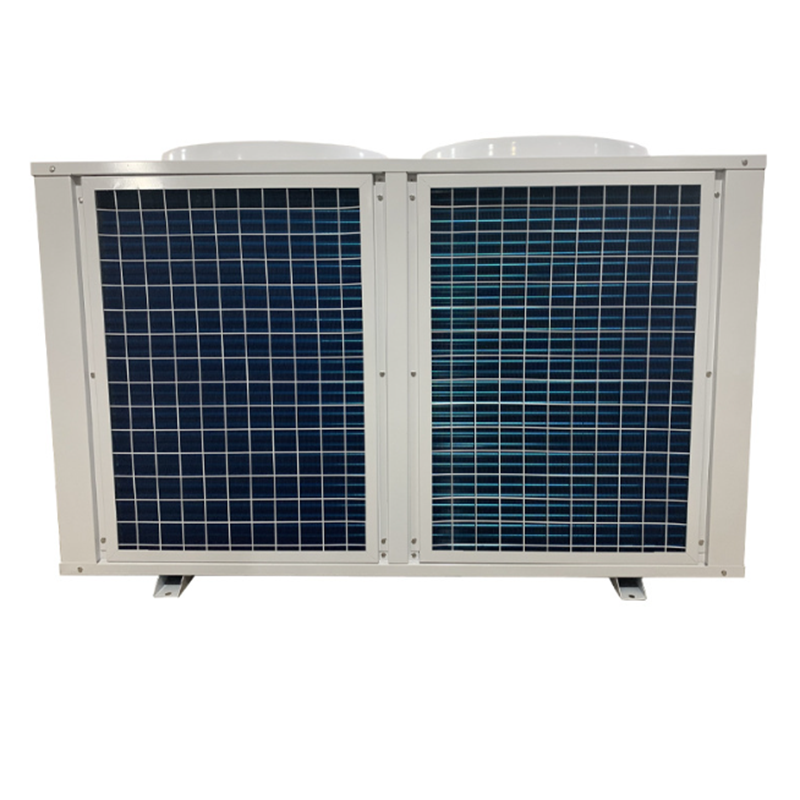
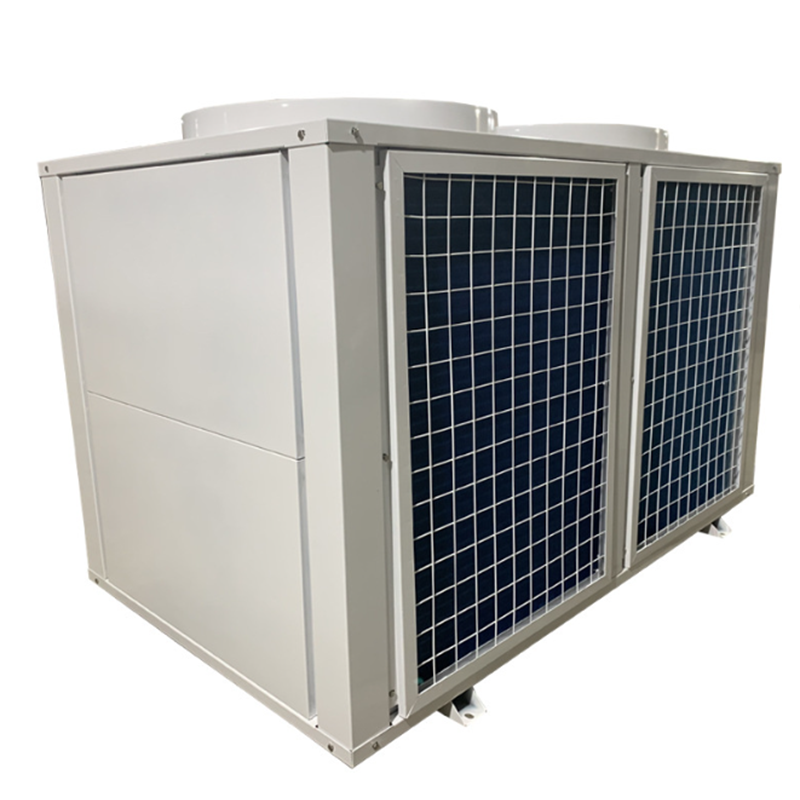
In conclusion, having a comprehensive understanding of the spare parts required for a marine condenser is essential for its proper maintenance and efficient operation. As a marine condenser supplier, we offer a wide range of high - quality spare parts to meet the diverse needs of our customers. Whether you need tubes for a U - type Condenser, gaskets for a Condensing Unit Air Cooled, or any other spare parts, we are here to provide you with the right solutions.
If you are interested in purchasing spare parts for your marine condenser or have any questions about our products, please feel free to contact us. We look forward to discussing your requirements and providing you with the best possible service.
References
- "Marine Engineering Handbook", various authors, multiple editions
- Manufacturer's manuals for different types of marine condensers
- Industry standards and guidelines for marine condenser design and maintenance