

As a supplier of G-type Evaporators, I've had the privilege of delving deep into the intricacies of these remarkable devices. G-type Evaporators are a crucial component in various industries, from automotive air conditioning to pharmaceutical cold chain management. In this blog, I'll explore the key components that make up a G-type Evaporator, shedding light on their functions and importance.
1. Heat Exchange Coils
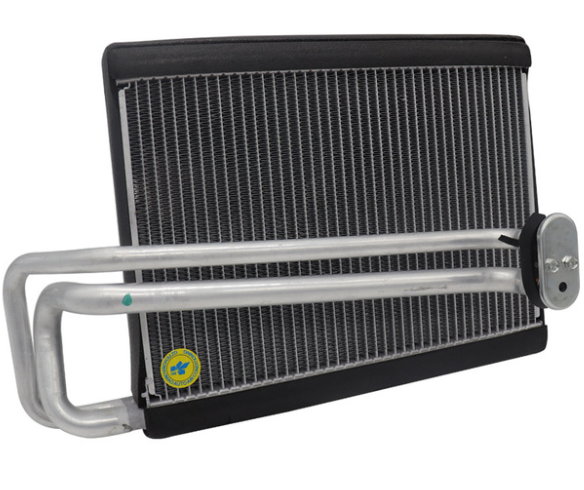
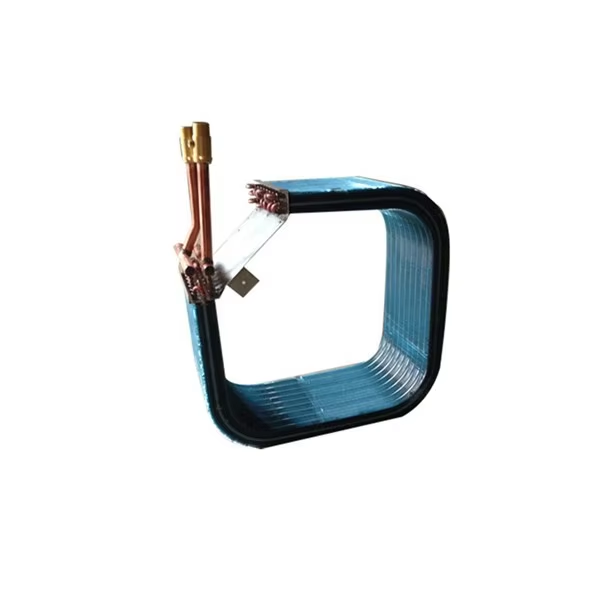
The heat exchange coils are the heart of a G-type Evaporator. These coils are typically made of copper or aluminum due to their excellent thermal conductivity. The refrigerant flows through these coils, and as warm air passes over them, heat is transferred from the air to the refrigerant. This process causes the refrigerant to evaporate, absorbing heat from the surrounding environment.
The design of the heat exchange coils is crucial for efficient heat transfer. The coils are often finned to increase the surface area in contact with the air, enhancing the heat exchange process. The fins can be made of aluminum or other materials and are carefully spaced to optimize airflow and heat transfer.
2. Refrigerant Inlet and Outlet
The refrigerant inlet and outlet are essential components that allow the refrigerant to enter and exit the evaporator. The refrigerant enters the evaporator in a liquid state at a low temperature and pressure. As it absorbs heat from the air, it evaporates and exits the evaporator as a gas.
The design of the refrigerant inlet and outlet is important to ensure proper flow and distribution of the refrigerant within the evaporator. The inlet and outlet are typically connected to the refrigerant lines, which are part of the overall refrigeration system.
3. Fan
A fan is used to blow air over the heat exchange coils, facilitating the heat transfer process. The fan helps to increase the airflow rate, which in turn enhances the efficiency of the evaporator. The size and power of the fan depend on the specific application and the size of the evaporator.
In some cases, multiple fans may be used to ensure uniform airflow across the heat exchange coils. The fan can be either a centrifugal fan or an axial fan, depending on the design requirements.
4. Drain Pan
As the warm air passes over the cold heat exchange coils, moisture in the air condenses and forms water droplets. A drain pan is used to collect this condensed water and prevent it from dripping onto the floor or other equipment. The drain pan is typically located at the bottom of the evaporator and is connected to a drain line.
The drain pan should be designed to prevent water from overflowing and should be regularly cleaned to prevent the growth of mold and bacteria.
5. Housing
The housing of the G-type Evaporator provides protection for the internal components and helps to direct the airflow. The housing is typically made of metal or plastic and is designed to be durable and resistant to corrosion.
The housing may also include insulation to reduce heat transfer and improve the efficiency of the evaporator. The design of the housing should allow for easy access to the internal components for maintenance and repair.
6. Expansion Valve
The expansion valve is a critical component that controls the flow of refrigerant into the evaporator. It regulates the amount of refrigerant entering the evaporator based on the load and temperature requirements. The expansion valve helps to maintain the proper pressure and temperature within the evaporator, ensuring efficient operation.
There are different types of expansion valves, including thermostatic expansion valves and electronic expansion valves. The choice of expansion valve depends on the specific application and the requirements of the refrigeration system.
7. Defrost System
In some applications, such as in cold storage or refrigeration systems, frost can accumulate on the heat exchange coils over time. A defrost system is used to remove this frost and maintain the efficiency of the evaporator.
The defrost system can be either a hot gas defrost system or an electric defrost system. The hot gas defrost system uses hot refrigerant gas to melt the frost, while the electric defrost system uses electric heaters to heat the coils.
Applications of G-type Evaporators
G-type Evaporators are widely used in various industries, including:
- Automotive Air Conditioning: Evaporator Of Car Ac is an important component in automotive air conditioning systems. It helps to cool and dehumidify the air inside the vehicle, providing a comfortable driving environment.
- Pharmaceutical Cold Chain: Pharmaceutical Cold Chain Evaporator is used to maintain the temperature of pharmaceutical products during storage and transportation. These evaporators are designed to meet the strict temperature requirements of the pharmaceutical industry.
- Commercial Refrigeration: G-type Evaporators are also used in commercial refrigeration systems, such as in supermarkets, restaurants, and cold storage facilities. They help to keep food and other perishable products fresh and at the proper temperature.
Why Choose Our G-type Evaporators
As a supplier of G-type Evaporator, we take pride in offering high-quality products that are designed to meet the specific needs of our customers. Our evaporators are made from the finest materials and are manufactured using the latest technology to ensure maximum efficiency and reliability.
We also offer excellent customer service and technical support to help our customers choose the right evaporator for their application and to ensure proper installation and maintenance. If you're in the market for a G-type Evaporator, we invite you to contact us to discuss your requirements and to learn more about our products.
In conclusion, the key components of a G-type Evaporator work together to provide efficient heat transfer and cooling. Understanding these components is essential for selecting the right evaporator for your application and for ensuring its proper operation. If you have any questions or need further information, please don't hesitate to contact us. We look forward to working with you to meet your evaporator needs.
References
- ASHRAE Handbook of Refrigeration.
- Refrigeration and Air Conditioning Technology by William C. Whitman, William M. Johnson, and John Tomczyk.