

As a leading supplier of flat plate evaporators, I've witnessed firsthand the profound impact that temperature differences can have on their performance. In this blog, I'll delve into the science behind how temperature differences affect flat plate evaporators and share insights into optimizing their efficiency.
Understanding the Basics of Flat Plate Evaporators
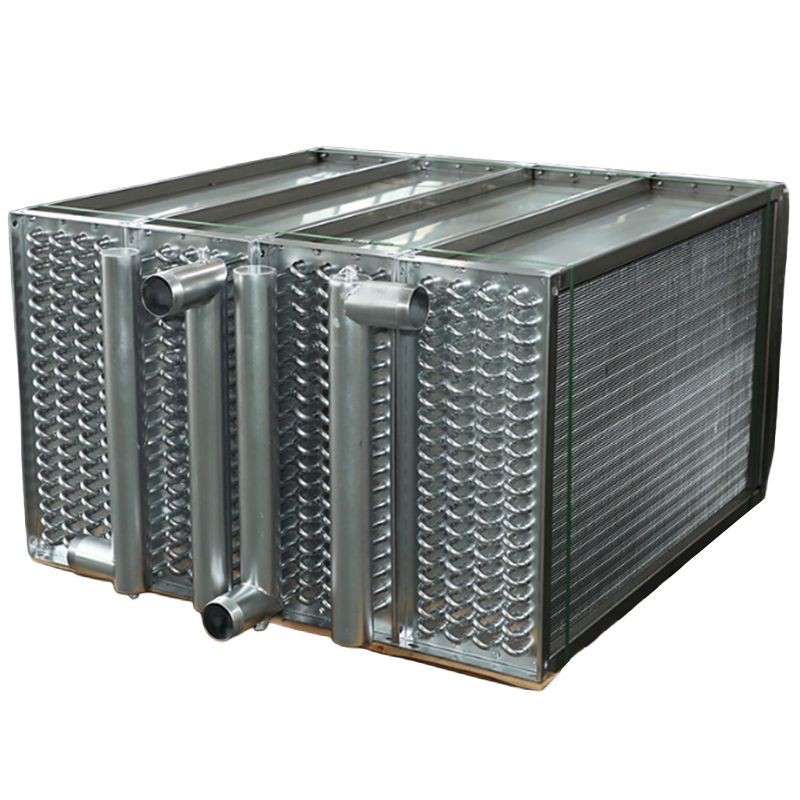
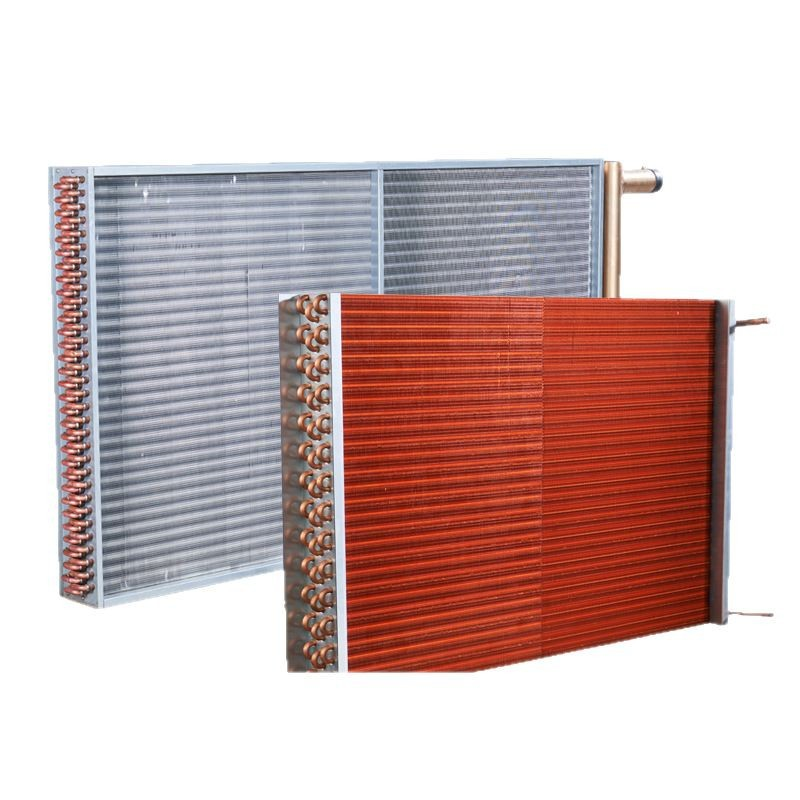
Flat plate evaporators are heat exchangers that play a crucial role in various industrial and commercial applications, including refrigeration, air conditioning, and chemical processing. They consist of a series of flat plates with channels through which a refrigerant flows. As the refrigerant absorbs heat from the surrounding medium, it evaporates, transferring thermal energy and cooling the medium.
The efficiency of a flat plate evaporator is largely determined by its ability to transfer heat effectively. This process is influenced by several factors, including the temperature difference between the refrigerant and the medium being cooled, the surface area of the plates, and the flow rate of the refrigerant.
The Role of Temperature Difference in Heat Transfer
The temperature difference between the refrigerant and the medium being cooled is a key determinant of the rate of heat transfer in a flat plate evaporator. According to Fourier's law of heat conduction, the rate of heat transfer is directly proportional to the temperature difference and the surface area of the heat exchanger, and inversely proportional to the thickness of the material through which the heat is being transferred.
In the context of a flat plate evaporator, a larger temperature difference between the refrigerant and the medium being cooled results in a higher rate of heat transfer. This is because the greater the temperature difference, the more significant the driving force for heat transfer. As a result, more heat is transferred from the medium to the refrigerant, leading to more efficient cooling.
However, it's important to note that there are limits to the temperature difference that can be effectively utilized in a flat plate evaporator. If the temperature difference is too large, it can lead to issues such as excessive refrigerant flow, uneven heat distribution, and increased energy consumption. Therefore, it's crucial to find the optimal temperature difference for a given application to ensure maximum efficiency.
Impact of Temperature Difference on Evaporator Performance
The temperature difference can have a significant impact on various aspects of flat plate evaporator performance, including:
1. Cooling Capacity
The cooling capacity of a flat plate evaporator is directly related to the rate of heat transfer. A larger temperature difference generally results in a higher cooling capacity, as more heat is transferred from the medium to the refrigerant. This can be beneficial in applications where rapid cooling is required, such as in industrial refrigeration systems.
2. Energy Efficiency
Energy efficiency is a critical consideration in the operation of flat plate evaporators. A larger temperature difference can lead to increased energy consumption, as the compressor has to work harder to maintain the desired refrigerant pressure and temperature. Therefore, it's important to optimize the temperature difference to minimize energy consumption while still achieving the desired cooling effect.
3. Refrigerant Flow
The temperature difference can also affect the flow rate of the refrigerant in the evaporator. A larger temperature difference can cause the refrigerant to evaporate more quickly, leading to an increase in refrigerant flow. This can result in uneven heat distribution and reduced efficiency if not properly managed.
4. Frost Formation
In refrigeration applications, frost formation on the evaporator surface can significantly reduce its performance. A larger temperature difference can increase the likelihood of frost formation, as the cold surface of the evaporator can cause moisture in the air to condense and freeze. This can lead to reduced heat transfer efficiency and increased energy consumption.
Optimizing Temperature Difference for Flat Plate Evaporators
To optimize the performance of flat plate evaporators, it's important to carefully consider the temperature difference and its impact on various aspects of the system. Here are some strategies for optimizing the temperature difference:
1. Select the Right Refrigerant
The choice of refrigerant can have a significant impact on the performance of a flat plate evaporator. Different refrigerants have different thermodynamic properties, which can affect the temperature difference and the rate of heat transfer. It's important to select a refrigerant that is suitable for the specific application and operating conditions.
2. Control the Refrigerant Flow
Proper control of the refrigerant flow is essential for optimizing the temperature difference and ensuring efficient heat transfer. This can be achieved through the use of flow control valves, expansion valves, and other control devices. By regulating the refrigerant flow, it's possible to maintain a consistent temperature difference and prevent issues such as uneven heat distribution and excessive refrigerant flow.
3. Design the Evaporator for Optimal Performance
The design of the flat plate evaporator can also play a crucial role in optimizing the temperature difference. Factors such as the plate geometry, surface area, and flow channels can all affect the rate of heat transfer and the efficiency of the evaporator. It's important to work with a reputable manufacturer to design an evaporator that is tailored to the specific application and operating conditions.
4. Monitor and Adjust the System
Regular monitoring and adjustment of the flat plate evaporator system are essential for maintaining optimal performance. This includes monitoring the temperature difference, refrigerant flow, and other operating parameters, and making adjustments as needed to ensure efficient operation.
Applications of Flat Plate Evaporators
Flat plate evaporators are used in a wide range of applications, including:
1. Pharmaceutical Cold Chain Evaporator
In the pharmaceutical industry, maintaining the proper temperature of drugs and vaccines is critical for their effectiveness and safety. Pharmaceutical Cold Chain Evaporator are designed to provide precise temperature control and efficient cooling in pharmaceutical storage and transportation systems.
2. G-type Evaporator
G-type Evaporator are commonly used in industrial refrigeration applications, such as food processing and storage. They are designed to provide high cooling capacity and energy efficiency, making them ideal for large-scale refrigeration systems.
3. Industrial Chiller Evaporator
Industrial Chiller Evaporator are used in a variety of industrial applications, including manufacturing, chemical processing, and data centers. They are designed to provide reliable and efficient cooling for industrial processes, ensuring optimal performance and productivity.
Conclusion
In conclusion, the temperature difference plays a crucial role in the performance of flat plate evaporators. By understanding the science behind heat transfer and the impact of temperature difference on various aspects of evaporator performance, it's possible to optimize the efficiency and effectiveness of these systems. Whether you're in the pharmaceutical, industrial, or commercial sector, choosing the right flat plate evaporator and optimizing its operation can help you achieve your cooling goals while minimizing energy consumption and costs.
If you're interested in learning more about our flat plate evaporators or discussing your specific cooling needs, please don't hesitate to contact us. We're here to help you find the best solution for your application.
References
- Incropera, F. P., & DeWitt, D. P. (2002). Fundamentals of heat and mass transfer. John Wiley & Sons.
- Cengel, Y. A., & Boles, M. A. (2015). Thermodynamics: an engineering approach. McGraw-Hill Education.
- ASHRAE Handbook: Refrigeration. (2016). American Society of Heating, Refrigerating and Air-Conditioning Engineers.