

Hey there! As a supplier of marine condensers, I've been in the thick of it, dealing with all sorts of condenser sizes and their impacts on performance. So, let's dig into how the size of a marine condenser affects its performance.
First off, we need to understand what a marine condenser does. It's a crucial part of a ship's cooling system. Its main job is to turn steam back into liquid by removing heat. This process is super important for the efficient operation of the ship's engines and other systems.
Now, let's talk about size. The size of a marine condenser can be described in a few ways - physical dimensions, heat transfer area, and capacity. Each of these aspects plays a big role in how well the condenser performs.
Physical Dimensions
The physical size of a condenser can directly affect its installation and maintenance. A larger condenser might be more difficult to fit into the limited space on a ship. You know, ships have all sorts of tight spaces, and finding the right spot for a big condenser can be a real headache. But on the flip side, a smaller condenser might be easier to install, but it could also have limitations in terms of its performance.
For example, if a condenser is too big, it might require more support structures and additional space for maintenance access. This can add to the overall cost and complexity of the ship's system. On the other hand, a condenser that's too small might not be able to handle the heat load effectively, leading to reduced efficiency and potential breakdowns.
Heat Transfer Area
The heat transfer area is a key factor in a condenser's performance. A larger heat transfer area generally means better heat transfer efficiency. When there's more surface area available for the steam to come into contact with the cooling medium (usually seawater), more heat can be transferred from the steam to the water.
Let's say you have two condensers - one with a small heat transfer area and one with a large heat transfer area. The condenser with the larger area will be able to condense the steam more quickly and efficiently. This is because there's more space for the heat exchange to take place. It's like having a bigger sponge to soak up water - the bigger sponge can absorb more water in a shorter time.
However, increasing the heat transfer area also means increasing the size of the condenser. This can lead to higher costs and more space requirements. So, it's a bit of a balancing act. You need to find the right size that gives you the best heat transfer performance without taking up too much space or costing too much.
Capacity
The capacity of a condenser refers to the amount of steam it can condense in a given time. A larger condenser usually has a higher capacity. This is important because it determines how well the condenser can keep up with the steam production from the ship's engines.
If the condenser's capacity is too low, it won't be able to handle all the steam, and the pressure in the system will increase. This can lead to reduced efficiency and even damage to the engines. On the other hand, if the condenser has a much higher capacity than needed, it might be overkill, and you'll end up paying for a larger and more expensive unit than you actually need.
Impact on Performance
Now, let's look at how these size factors actually impact the performance of a marine condenser.
- Efficiency: As we mentioned earlier, a larger heat transfer area generally leads to better efficiency. When the condenser can transfer heat more effectively, it can condense the steam faster, which means the system can operate more smoothly. This can result in lower energy consumption and longer equipment lifespan.
- Pressure Drop: The size of the condenser can also affect the pressure drop across the system. A larger condenser might have a lower pressure drop because there's more space for the steam and water to flow. This is important because a high pressure drop can reduce the efficiency of the system and increase the energy required to operate it.
- Maintenance: The size of the condenser can impact maintenance requirements. A larger condenser might be more difficult to access and clean, which can lead to more frequent breakdowns and higher maintenance costs. On the other hand, a smaller condenser might be easier to maintain, but it might need to be replaced more often if it can't handle the heat load.
Different Types of Marine Condensers
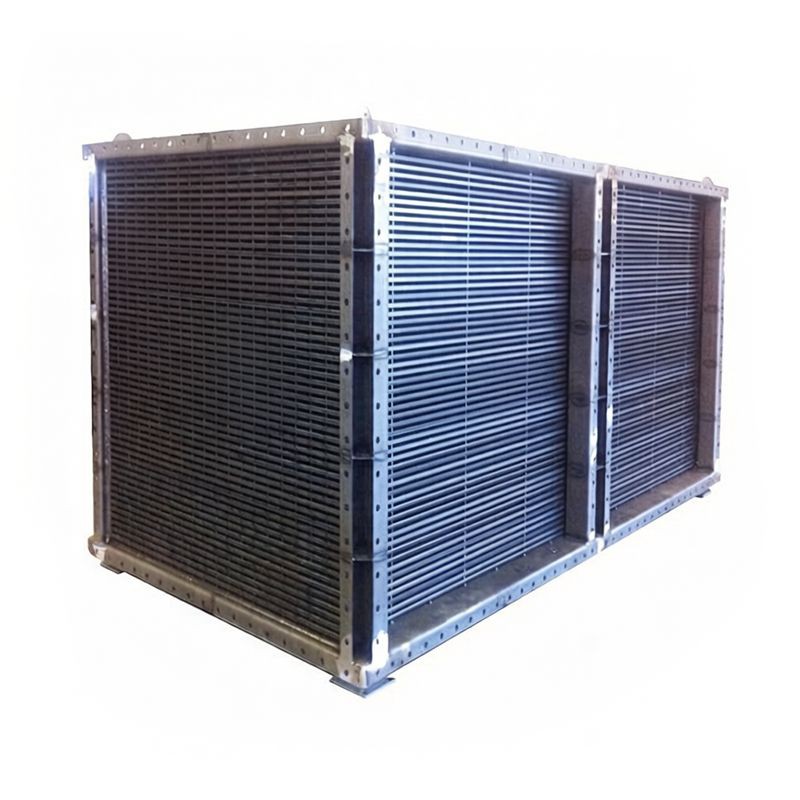
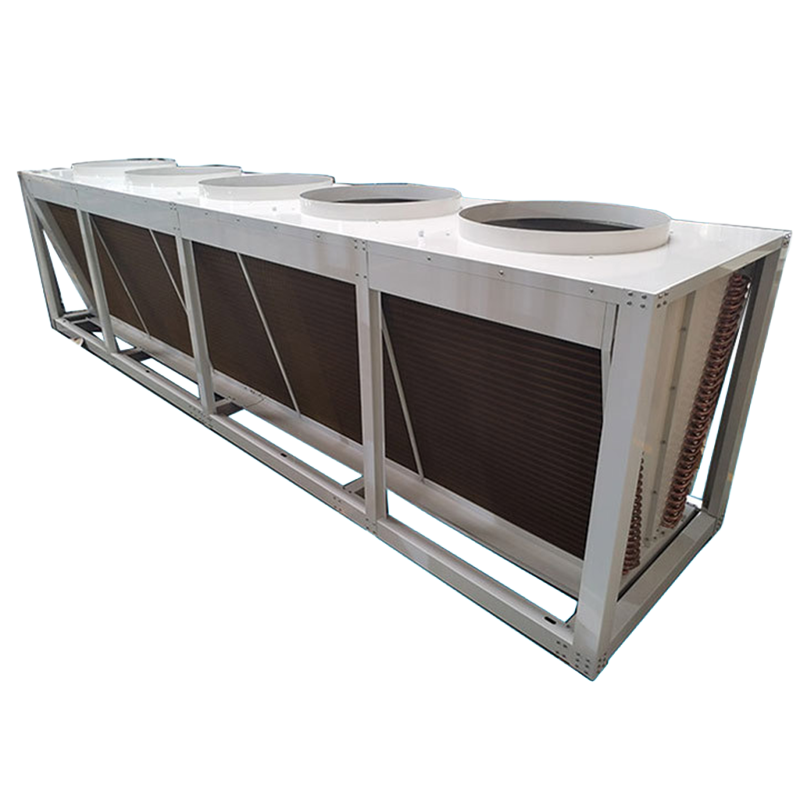
There are different types of marine condensers, and their size can vary depending on their design and application. For example, Evaporative Condensing Unit is a type of condenser that uses evaporation to remove heat. These condensers can be relatively compact compared to other types, but they still need to be sized correctly to ensure optimal performance.
Another type is the Corrosion-resistant Condenser. Since they are designed to withstand the harsh marine environment, they might be larger in size to accommodate the additional protective features.
Applications in the Industry
Marine condensers are used in various applications in the shipping industry. They are not only used in ship engines but also in other systems such as refrigeration and air conditioning. The Condenser in Industry plays a vital role in ensuring the smooth operation of these systems.
For example, in a refrigeration system on a ship, the condenser is responsible for removing heat from the refrigerant, allowing it to return to a liquid state. If the condenser is not sized correctly, the refrigeration system might not work efficiently, leading to problems such as food spoilage or uncomfortable living conditions on the ship.
Finding the Right Size
So, how do you find the right size for a marine condenser? It's not an easy task, but there are a few things you can consider.
- Heat Load Calculation: First, you need to calculate the heat load that the condenser needs to handle. This involves looking at the steam production from the engines, the cooling requirements of the system, and other factors. Once you have an accurate heat load calculation, you can start looking for a condenser that can handle that load.
- Space Constraints: You also need to consider the available space on the ship. If space is limited, you might need to look for a more compact condenser. However, you still need to make sure that it can meet the performance requirements.
- Budget: Of course, budget is always a factor. A larger condenser might be more expensive, but it could also provide better performance and longer lifespan. You need to find a balance between cost and performance.
Conclusion
In conclusion, the size of a marine condenser has a significant impact on its performance. The physical dimensions, heat transfer area, and capacity all play important roles in determining how well the condenser can operate. As a supplier, we understand the challenges of finding the right size for your specific needs.
If you're in the market for a marine condenser, we're here to help. We have a wide range of condensers in different sizes and types to meet your requirements. Whether you need an Evaporative Condensing Unit, a Corrosion-resistant Condenser, or any other type of condenser, we can provide you with the best solution.
Don't hesitate to reach out to us to discuss your needs and get a quote. We're ready to work with you to ensure that you get the right condenser for your ship. Let's start a conversation and find the perfect solution for your marine condenser needs!
References
- Smith, J. (2020). Marine Engineering Handbook. Publisher X.
- Johnson, A. (2019). Heat Transfer in Marine Systems. Journal of Marine Technology.