

In the pulp and paper industry, condensers play a crucial role in the overall production process. As a supplier of condensers in the industry, I am well - versed in how these devices function and their significance. This blog will delve into the functioning of condensers in the pulp and paper industry, exploring different types and their specific roles.
The Basics of Condensers in the Pulp and Paper Industry
Condensers are heat exchange devices that are used to convert a vapor into a liquid by removing heat. In the pulp and paper industry, they are employed in various stages of the production process, such as in the recovery of steam and the removal of volatile organic compounds (VOCs).
The main principle behind a condenser is the transfer of heat from the vapor to a cooling medium. When the hot vapor comes into contact with the cooler surface of the condenser, it loses heat and condenses into a liquid. This process is essential for energy conservation and environmental protection in the pulp and paper manufacturing.
Types of Condensers and Their Functioning
U - type Condenser
The U - type Condenser is a common type used in the pulp and paper industry. It has a U - shaped design, which provides a large surface area for heat transfer. The vapor enters the condenser at one end and flows through the U - shaped tubes. As it moves through the tubes, it comes into contact with the cooling medium, usually water, which surrounds the tubes.
The cooling water absorbs the heat from the vapor, causing it to condense. The condensed liquid then drains out of the condenser. The U - type condenser is efficient in handling large volumes of vapor and is relatively easy to maintain. It can be used in various applications, such as in the recovery of steam from the evaporation process in pulp production.
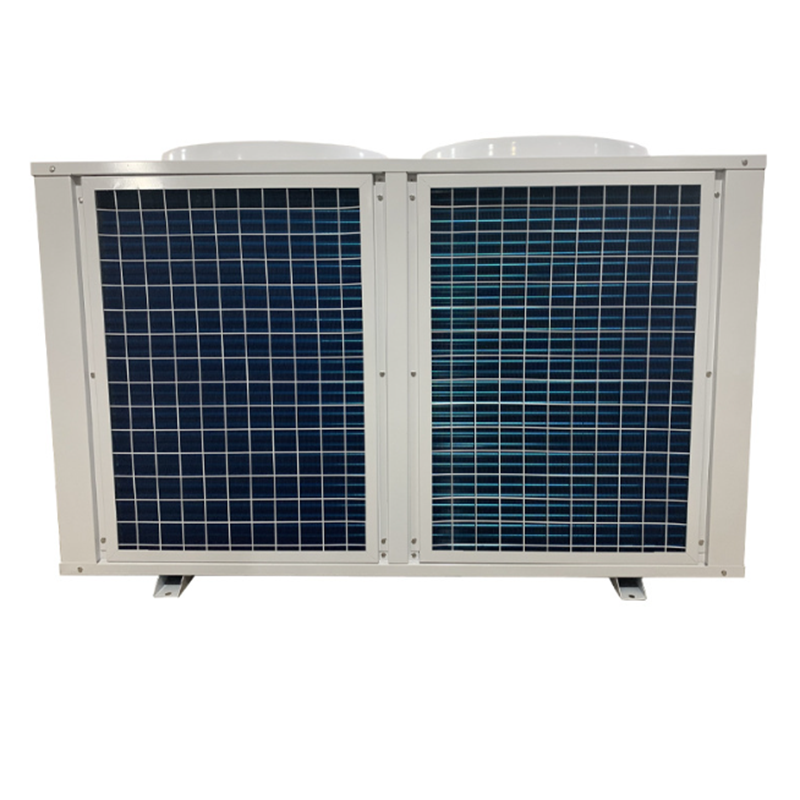
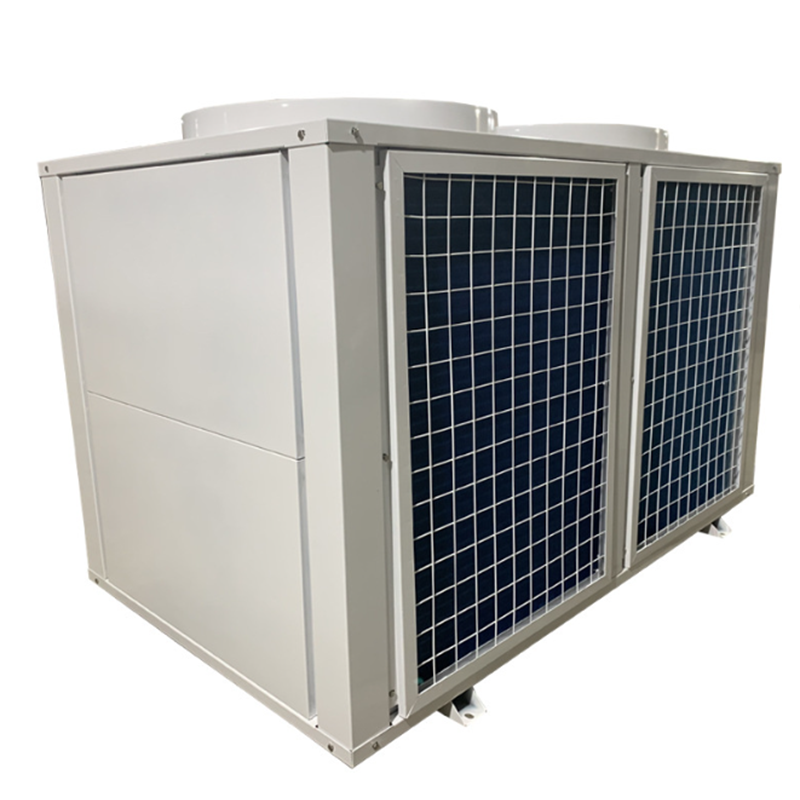
Plate Type Condenser
Another important type is the Plate Type Condenser. This condenser consists of a series of thin plates that are stacked together. The vapor and the cooling medium flow through alternate channels between the plates.
The large surface area of the plates allows for efficient heat transfer. The vapor releases its heat to the cooling medium as it passes through the channels, and the condensed liquid is collected at the bottom. Plate type condensers are known for their compact design, high heat transfer efficiency, and low pressure drop. They are often used in applications where space is limited and high - efficiency heat transfer is required, such as in the recovery of heat from exhaust gases in the paper - making process.
Condensing Unit Air Cooled
The Condensing Unit Air Cooled is a type of condenser that uses air as the cooling medium. Instead of water, it relies on the flow of air over the condenser coils to remove heat from the vapor.
In the pulp and paper industry, this type of condenser is useful in areas where water is scarce or where water usage needs to be minimized. The hot vapor enters the condenser, and the air, which is blown over the coils by fans, cools the vapor, causing it to condense. The condensed liquid is then collected. Air - cooled condensers are relatively easy to install and operate, but they may have lower heat transfer efficiency compared to water - cooled condensers.
Functioning in the Pulp and Paper Production Process
Steam Recovery
One of the primary functions of condensers in the pulp and paper industry is steam recovery. During the pulp production process, a large amount of steam is generated. By using condensers, the steam can be converted back into water, which can then be reused in the process. This not only saves energy but also reduces the demand for fresh water.
For example, in the evaporation stage of pulp production, steam is used to evaporate water from the pulp. The steam that is released can be captured and condensed using a condenser. The condensed water can then be returned to the boiler to be used again, reducing the overall energy consumption of the process.
Removal of Volatile Organic Compounds (VOCs)
The pulp and paper industry also generates a significant amount of VOCs during the production process. These VOCs can be harmful to the environment and human health. Condensers can be used to remove these VOCs by condensing them into a liquid form.
The hot vapor containing the VOCs is passed through the condenser, where it is cooled and condensed. The condensed liquid, which contains the VOCs, can then be further treated to remove the contaminants. This helps in reducing the environmental impact of the pulp and paper production.
Cooling of Process Fluids
In addition to steam recovery and VOC removal, condensers are also used to cool process fluids in the pulp and paper industry. For example, in the paper - making process, the paper pulp needs to be cooled before it is formed into paper. Condensers can be used to remove the heat from the pulp, ensuring that it is at the right temperature for the papermaking process.
Advantages of Using Condensers in the Pulp and Paper Industry
- Energy Efficiency: By recovering steam and reusing the condensed water, condensers help in reducing the energy consumption of the pulp and paper production process. This leads to cost savings and a more sustainable operation.
- Environmental Protection: The removal of VOCs and the reduction of water usage contribute to a cleaner environment. Condensers help in meeting environmental regulations and reducing the industry's carbon footprint.
- Process Optimization: By cooling process fluids and ensuring the proper functioning of the production process, condensers help in improving the quality and efficiency of the pulp and paper production.
Conclusion
Condensers are an essential part of the pulp and paper industry. Their ability to convert vapor into liquid, recover steam, remove VOCs, and cool process fluids makes them indispensable in the production process. Whether it is the U - type condenser, plate type condenser, or air - cooled condensing unit, each type has its own advantages and applications.
If you are in the pulp and paper industry and are looking for high - quality condensers, we are here to help. Our condensers are designed to meet the specific needs of the industry, providing efficient heat transfer and reliable performance. Contact us to discuss your requirements and explore how our condensers can optimize your production process.
References
- Smith, J. (2018). Heat Exchangers in the Pulp and Paper Industry. Journal of Pulp and Paper Technology, 35(2), 123 - 135.
- Johnson, A. (2019). Condenser Design and Operation in Industrial Processes. Industrial Engineering Journal, 42(3), 210 - 225.
- Brown, C. (2020). Environmental Impact of Condensers in the Pulp and Paper Industry. Environmental Science Review, 50(4), 345 - 358.