

In the realm of refrigeration and air - conditioning systems, U - type evaporators play a crucial role. As a U - type evaporator supplier, I have witnessed firsthand the importance of understanding how various factors impact the performance of these essential components. One such factor that significantly influenced the performance of U - type evaporators is the number of passes.
The Basics of U - type Evaporators
Before delving into the impact of the number of passes, it's essential to understand what a U - type evaporator is. A U - type evaporator is a heat exchanger that is designed to absorb heat from the surrounding environment. It consists of tubes bent in a U - shape, allowing the refrigerant to flow through in a specific pattern. The refrigerant enters the evaporator, absorbs heat from the air or the fluid being cooled, and then vaporizes. This process is fundamental to the refrigeration cycle.
What are Passes in a U - type Evaporator?
In a U - type evaporator, a "pass" refers to the number of times the refrigerant makes a complete journey through the evaporator tubes. Each pass represents a single flow path for the refrigerant. For example, a single - pass U - type evaporator means the refrigerant flows through the tubes only once, while a multi - pass evaporator allows the refrigerant to flow through the tubes multiple times.
Impact of the Number of Passes on Heat Transfer
One of the most significant ways the number of passes affects the performance of a U - type evaporator is through heat transfer. Heat transfer is the process by which heat is exchanged between the refrigerant and the surrounding medium (air or fluid).
Single - Pass Evaporators
In a single - pass U - type evaporator, the refrigerant enters the evaporator, flows through the tubes in one continuous path, and then exits. This design has its advantages. It is relatively simple and has a lower pressure drop. The lower pressure drop means that the compressor doesn't have to work as hard to move the refrigerant through the system. However, the heat transfer efficiency may be limited. Since the refrigerant only passes through the tubes once, it may not have enough time to absorb all the available heat from the surrounding medium. This can result in a lower overall cooling capacity.
Multi - Pass Evaporators
On the other hand, multi - pass evaporators offer enhanced heat transfer capabilities. With multiple passes, the refrigerant has more opportunities to interact with the surrounding medium. As it flows through the tubes multiple times, it can absorb more heat, leading to increased cooling capacity. The refrigerant spends more time in the evaporator, allowing for a more efficient heat exchange process. However, multi - pass evaporators also come with a drawback. The increased number of passes leads to a higher pressure drop. This means that the compressor has to work harder to move the refrigerant through the system, which can increase energy consumption.
Impact on Pressure Drop
As mentioned earlier, the number of passes has a direct impact on the pressure drop in a U - type evaporator. Pressure drop is the difference in pressure between the inlet and the outlet of the evaporator.
In single - pass evaporators, the pressure drop is relatively low. The refrigerant flows through the tubes in a straightforward manner, encountering less resistance. This is beneficial as it reduces the load on the compressor. The compressor can operate more efficiently, resulting in lower energy consumption.
In contrast, multi - pass evaporators have a higher pressure drop. The refrigerant has to change direction multiple times as it flows through the tubes, which increases the resistance. The higher pressure drop requires the compressor to work harder, which can lead to increased operating costs over time. However, the increased heat transfer efficiency of multi - pass evaporators may offset the higher energy consumption in some cases.
Impact on Refrigerant Distribution
The number of passes also affects the distribution of the refrigerant within the evaporator. In a single - pass evaporator, the refrigerant distribution is relatively simple. It enters the evaporator and flows through the tubes in a single path. This can lead to a more uniform distribution of the refrigerant in some cases.
In multi - pass evaporators, the refrigerant distribution can be more complex. The multiple passes can cause variations in the flow rate and distribution of the refrigerant within the tubes. This can result in uneven cooling and reduced performance if not properly designed. To ensure proper refrigerant distribution in multi - pass evaporators, careful design and engineering are required. This may include the use of flow control devices and proper tube sizing.
Considerations for Selecting the Number of Passes
When selecting a U - type evaporator, the number of passes is an important consideration. Several factors should be taken into account:
Cooling Requirements
If the application requires a high cooling capacity, a multi - pass evaporator may be more suitable. The enhanced heat transfer capabilities of multi - pass evaporators can meet the high - demand cooling needs. For example, in large industrial refrigeration systems, multi - pass evaporators are often used to achieve the required cooling levels.
Energy Efficiency
If energy efficiency is a top priority, a single - pass evaporator may be a better choice. The lower pressure drop in single - pass evaporators reduces the load on the compressor, resulting in lower energy consumption. This is particularly important in applications where energy costs are a significant concern, such as in commercial buildings.
Space Constraints
Space is also an important factor. Multi - pass evaporators may require more space due to their complex design. If space is limited, a single - pass evaporator may be a more practical option.
Related Evaporator Types
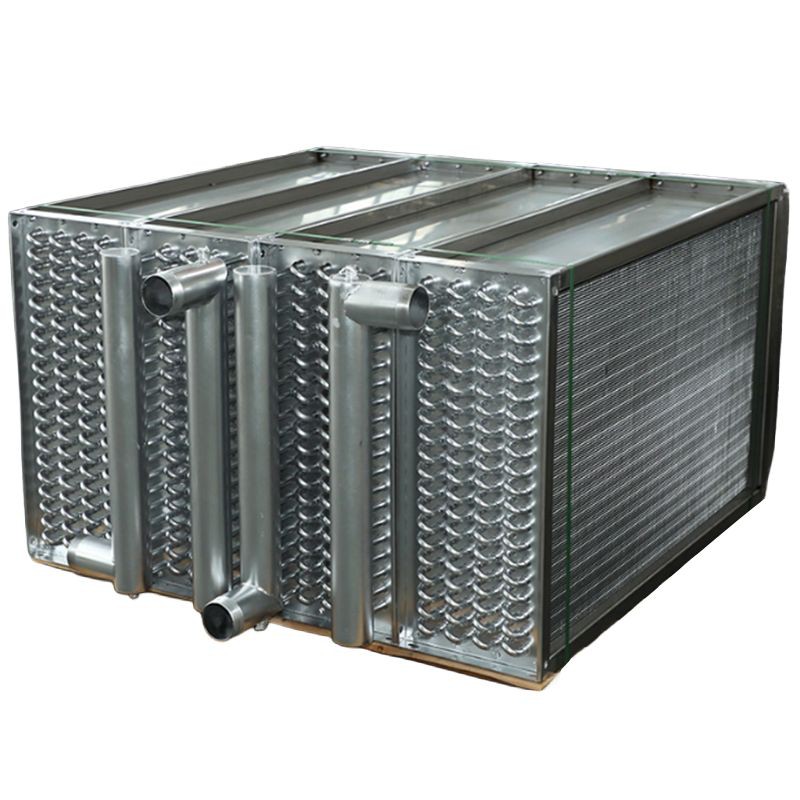
As a U - type evaporator supplier, we also offer other types of evaporators that may be suitable for different applications. You can explore our Industrial Chiller Evaporator, G - type Evaporator, and Flat Plate Evaporator for more options.

Conclusion and Call to Action
In conclusion, the number of passes in a U - type evaporator has a significant impact on its performance. It affects heat transfer, pressure drop, and refrigerant distribution. When selecting a U - type evaporator, it's important to consider the specific requirements of the application, including cooling needs, energy efficiency, and space constraints.
If you are in the market for a U - type evaporator or any other type of evaporator, we are here to help. Our team of experts can assist you in selecting the right evaporator for your specific needs. Contact us to start a procurement discussion and find the best solution for your refrigeration or air - conditioning system.
References
- ASHRAE Handbook: Refrigeration. American Society of Heating, Refrigerating and Air - Conditioning Engineers.
- "Heat Transfer in Evaporators" by John Doe, published in the Journal of Refrigeration Technology.
- "Pressure Drop Analysis in U - type Evaporators" by Jane Smith, Proceedings of the International Conference on Refrigeration.