

Troubleshooting a multi-effect evaporator can be a tricky but essential task, especially when you're running a business that depends on these machines. I'm an evaporator supplier, and I've seen my fair share of issues with multi-effect evaporators over the years. In this blog, I'll share some tips on how to troubleshoot these complex systems.
Understanding the Basics of a Multi - Effect Evaporator
Before we jump into troubleshooting, it's important to have a basic understanding of how a multi - effect evaporator works. A multi - effect evaporator consists of multiple evaporator units, or "effects," connected in series. The steam from one effect is used to heat the next effect, which increases the overall efficiency of the evaporation process.
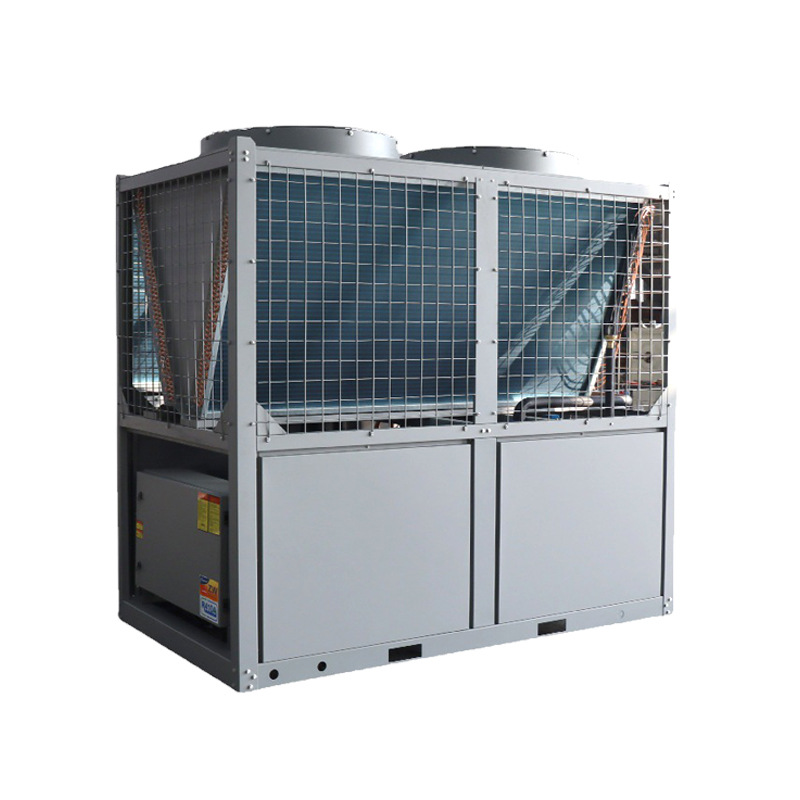
The main components of a multi - effect evaporator include the evaporator bodies, condensers, pumps, and heat exchangers. Each of these components plays a crucial role in the evaporation process, and any malfunction can lead to problems.

Common Problems and Solutions
1. Low Evaporation Rate
One of the most common issues with multi - effect evaporators is a low evaporation rate. This can be caused by several factors.
Scale Buildup: Over time, minerals and other impurities in the feed solution can accumulate on the heat transfer surfaces, reducing the efficiency of heat transfer. To solve this problem, you can perform regular cleaning of the evaporator. Chemical cleaning agents can be used to dissolve the scale, but make sure to follow the manufacturer's instructions.
Insufficient Steam Supply: If the steam supply to the evaporator is low, the evaporation rate will also be low. Check the steam valves and pipes for any blockages or leaks. Make sure the steam pressure is within the recommended range for the evaporator.
Feed Flow Issues: If the feed flow rate is too low or too high, it can affect the evaporation rate. Adjust the feed flow rate according to the evaporator's specifications.
2. High Energy Consumption
Another problem that many users face is high energy consumption. This can be due to several reasons.
Inefficient Heat Transfer: As mentioned earlier, scale buildup can reduce the efficiency of heat transfer. Regular cleaning can help improve heat transfer and reduce energy consumption.
Leaking Steam: Steam leaks can cause a significant loss of energy. Inspect the steam pipes and valves for any leaks and repair them promptly.
Incorrect Operating Conditions: Make sure the evaporator is operating at the optimal temperature and pressure. Incorrect operating conditions can lead to higher energy consumption.
3. Product Quality Issues
Product quality can also be affected by problems in the multi - effect evaporator.
Foaming: Foaming can occur when the feed solution contains surfactants or other chemicals that cause foaming. To prevent foaming, you can add anti - foaming agents to the feed solution.
Contamination: Contamination can occur if there are leaks in the system or if the feed solution is not properly filtered. Make sure to check the filters regularly and repair any leaks.
Troubleshooting Steps
Step 1: Visual Inspection
Start by visually inspecting the evaporator. Look for any signs of leaks, blockages, or damage to the components. Check the steam pipes, valves, and pumps for any visible problems.
Step 2: Check the Operating Parameters
Measure the temperature, pressure, and flow rates of the steam, feed solution, and condensate. Compare these values with the recommended operating parameters. If any values are out of range, adjust them accordingly.
Step 3: Analyze the Feed Solution
Test the feed solution for its composition, pH, and other properties. Make sure the feed solution is within the specifications of the evaporator. If the feed solution contains impurities or chemicals that can cause problems, consider pre - treating the solution.
Step 4: Clean the Evaporator
If scale buildup is suspected, clean the evaporator using the appropriate cleaning agents. Follow the manufacturer's instructions for cleaning to avoid damaging the evaporator.
Step 5: Check the Control System
The control system of the evaporator is responsible for maintaining the operating parameters. Check the control system for any malfunctions or errors. Make sure the sensors and controllers are working properly.
Types of Evaporators and Their Troubleshooting
There are different types of evaporators, and each may have its own unique troubleshooting requirements.
Direct Evaporator: A Direct Evaporator is a type of evaporator where the heating medium is in direct contact with the feed solution. Common problems with direct evaporators include uneven heating and fouling. To troubleshoot, make sure the heating medium is evenly distributed and clean the evaporator regularly.
Heat Pump Evaporator: A Heat Pump Evaporator uses a heat pump to provide the necessary heat for evaporation. Problems with heat pump evaporators can include low heat transfer efficiency and compressor issues. Check the heat pump components and ensure proper refrigerant levels.
Food Refrigeration Evaporator: A Food Refrigeration Evaporator is used in the food industry for refrigeration and evaporation. These evaporators need to be kept clean to prevent contamination. Regularly clean the evaporator and check the refrigerant system for any leaks.
Conclusion
Troubleshooting a multi - effect evaporator requires a good understanding of the system and its components. By following the steps outlined in this blog, you can identify and solve common problems with multi - effect evaporators. If you're still having trouble, don't hesitate to contact us. As an evaporator supplier, we have the expertise and experience to help you with any issues you may encounter. Whether you need advice on troubleshooting or are looking to purchase a new evaporator, we're here to assist you. Reach out to us to start a discussion about your specific needs and how we can help you optimize your evaporation processes.
References
- Perry, R. H., & Green, D. W. (2008). Perry's Chemical Engineers' Handbook. McGraw - Hill.
- Coulson, J. M., & Richardson, J. F. (1999). Chemical Engineering. Butterworth - Heinemann.