

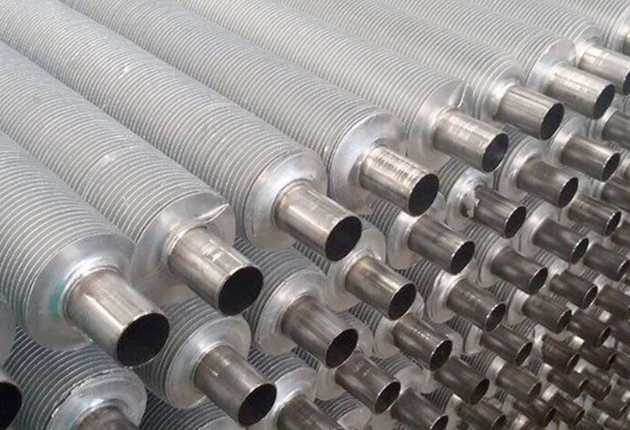
As a finned tube supplier, I understand the critical role that fin-tube bond strength plays in the performance and durability of heat exchangers. A strong bond between the fins and tubes ensures efficient heat transfer, reduces the risk of corrosion, and extends the lifespan of the equipment. In this blog post, I will share some effective strategies to improve fin-tube bond strength based on my experience in the industry.
Understanding the Importance of Fin-Tube Bond Strength
Before delving into the methods of improving bond strength, it's essential to understand why it matters. In a finned tube heat exchanger, the fins increase the surface area available for heat transfer, enhancing the efficiency of the system. However, if the bond between the fins and tubes is weak, the heat transfer performance will be compromised. A poor bond can also lead to issues such as fin detachment, which can cause blockages in the system and reduce its overall effectiveness.
Factors Affecting Fin-Tube Bond Strength
Several factors can influence the bond strength between fins and tubes. These include:
- Material Compatibility: The choice of materials for the fins and tubes is crucial. Different materials have different thermal expansion coefficients, which can affect the bond strength over time. For example, if the fins and tubes expand and contract at different rates due to temperature changes, it can lead to stress on the bond and potentially cause it to fail.
- Surface Preparation: Proper surface preparation is essential for achieving a strong bond. The surfaces of the fins and tubes must be clean, free of contaminants, and have the appropriate roughness to promote adhesion. Any dirt, oil, or oxide layers on the surfaces can prevent the bonding agent from adhering properly.
- Bonding Method: The method used to bond the fins to the tubes can also have a significant impact on the bond strength. Common bonding methods include mechanical expansion, soldering, brazing, and adhesive bonding. Each method has its advantages and disadvantages, and the choice of method depends on factors such as the application, the materials used, and the desired bond strength.
- Process Parameters: The process parameters during the bonding process, such as temperature, pressure, and time, can also affect the bond strength. For example, if the temperature is too high or too low during soldering or brazing, it can result in a weak bond. Similarly, if the pressure is not applied evenly during mechanical expansion, it can lead to uneven bonding.
Strategies to Improve Fin-Tube Bond Strength
Based on the factors mentioned above, here are some strategies that can be used to improve fin-tube bond strength:
- Select Compatible Materials: Choose materials for the fins and tubes that have similar thermal expansion coefficients to minimize stress on the bond. For example, Copper Tube with Aluminum Fins is a popular combination because copper and aluminum have relatively similar thermal expansion coefficients, which helps to maintain a strong bond over a wide range of temperatures.
- Proper Surface Preparation: Ensure that the surfaces of the fins and tubes are clean and free of contaminants before bonding. This can be achieved through processes such as degreasing, sandblasting, or chemical etching. The surface roughness should also be optimized to promote adhesion. For example, a slightly rough surface can provide more surface area for the bonding agent to adhere to.
- Choose the Right Bonding Method: Select the bonding method that is most suitable for the application and the materials used. For example, mechanical expansion is a common method for bonding fins to tubes because it is relatively simple and cost-effective. However, it may not provide the same level of bond strength as soldering or brazing. Soldering and brazing can provide a stronger bond, but they require more specialized equipment and expertise. Adhesive bonding is another option that can be used for certain applications, but it may not be suitable for high-temperature environments.
- Optimize Process Parameters: Pay close attention to the process parameters during the bonding process to ensure that the bond strength is maximized. For example, if using soldering or brazing, make sure that the temperature is within the recommended range and that the time and pressure are applied correctly. If using mechanical expansion, ensure that the expansion process is carried out evenly to avoid uneven bonding.
- Quality Control: Implement a rigorous quality control program to ensure that the fin-tube bond strength meets the required standards. This can include testing the bond strength using methods such as pull tests or shear tests. Any defective products should be identified and removed from the production line to prevent them from being used in the final product.
Applications of High Bond Strength Finned Tubes
High bond strength finned tubes are used in a wide range of applications, including:
- Fan Coil Heat Exchanger: Fan coil heat exchangers are commonly used in HVAC systems to provide heating and cooling. High bond strength finned tubes ensure efficient heat transfer and reliable performance in these applications.
- Refrigeration Systems: In refrigeration systems, finned tubes are used to transfer heat between the refrigerant and the surrounding environment. A strong bond between the fins and tubes is essential to ensure efficient heat transfer and prevent refrigerant leaks.
- Industrial Heat Exchangers: Industrial heat exchangers are used in a variety of industries, such as chemical, petrochemical, and power generation. High bond strength finned tubes are crucial for these applications to ensure reliable operation and long service life.
- Automotive Cooling Systems: Finned tubes are used in automotive cooling systems to dissipate heat from the engine. A strong bond between the fins and tubes is necessary to ensure efficient cooling and prevent engine overheating.
Conclusion
Improving fin-tube bond strength is essential for ensuring the performance and durability of heat exchangers. By understanding the factors that affect bond strength and implementing the strategies outlined in this blog post, you can achieve a strong and reliable bond between the fins and tubes. At our company, we are committed to providing high-quality finned tubes with excellent bond strength to meet the needs of our customers. If you are interested in purchasing finned tubes or have any questions about improving fin-tube bond strength, please contact us for a consultation. We look forward to working with you to find the best solution for your application.

References
- Incropera, F. P., & DeWitt, D. P. (2002). Fundamentals of heat and mass transfer. John Wiley & Sons.
- Holman, J. P. (2009). Heat transfer. McGraw-Hill.
- ASME Boiler and Pressure Vessel Code, Section VIII, Division 1. (2019). American Society of Mechanical Engineers.