

Hey there! I'm a supplier of flat plate evaporators, and today I wanna chat about how to optimize the performance of these nifty devices. Flat plate evaporators are used in a bunch of industries, like refrigeration, air conditioning, and even some chemical processes. They're super important for heat transfer, so getting their performance right is crucial.
Understanding Flat Plate Evaporators
First off, let's quickly understand what a flat plate evaporator is. It's a type of heat exchanger where two flat plates are used to create channels for the fluid. One fluid (usually a refrigerant) evaporates while it absorbs heat from the other fluid. This whole process helps in cooling or heating a space or product.
The key parts of a flat plate evaporator are the plates themselves, the gasket seals around the plates, and the inlet and outlet connections for the fluids. The design of the plates is super important as it affects how well the heat transfer happens. Plates can have different patterns, like chevron or herringbone, which help to increase the turbulence of the fluids and improve heat transfer.
1. Proper Installation
The first step to optimizing the performance of a flat plate evaporator is to install it correctly. This might sound obvious, but a lot of issues can pop up if the installation isn't done right.
- Location: Make sure to place the evaporator in a space where it has enough ventilation. Heat needs to be able to dissipate easily, so don't cram it into a tight corner. Also, keep it away from sources of direct heat or moisture, as this can affect its efficiency.
- Leveling: Ensure that the evaporator is perfectly level. An uneven unit can cause uneven distribution of the fluids, which leads to poor heat transfer. Use a spirit level to double - check during installation.
- Piping: The piping connections are crucial. Make sure that the pipes are properly sized and connected without any leaks. Incorrectly sized pipes can cause a drop in pressure, which reduces the flow of the refrigerant and hampers the performance.
2. Regular Maintenance
Maintenance is key to keeping your flat plate evaporator running like a champ.
- Cleaning: Over time, dirt, debris, and scale can build up on the plates. This acts as an insulator, reducing the heat transfer efficiency. You should clean the plates regularly using a suitable cleaning solution. For light dirt, a simple mild detergent can do the trick. But for stubborn scale, you might need a more specialized descaling agent.
- Gasket Inspection: The gaskets on the plates need to be inspected frequently. Over time, they can wear out, crack, or become loose. A faulty gasket can cause fluid leaks, which not only affects the performance but can also lead to safety issues. Replace any damaged gaskets immediately.
- Refrigerant Check: The amount and quality of the refrigerant are important. Low refrigerant levels can cause the evaporator to not work effectively, while dirty or contaminated refrigerant can damage the system. Check the refrigerant levels regularly and top up or replace it as needed.
3. Optimizing Fluid Flow
Getting the right fluid flow through the evaporator is essential for optimal performance.
- Flow Rate: The flow rate of both the refrigerant and the secondary fluid (the one being heated or cooled) needs to be just right. If the flow rate is too low, the heat transfer will be slow. On the other hand, if it's too high, there might not be enough time for proper heat exchange. You can adjust the flow rate using valves or pumps.
- Flow Distribution: Ensure that the fluid is distributed evenly across all the channels in the evaporator. Uneven distribution can lead to some areas being over - or under - utilized, which reduces the overall efficiency. Check the inlet and outlet connections to make sure they are designed to promote even flow.
4. Selecting the Right Refrigerant
The choice of refrigerant can have a big impact on the performance of a flat plate evaporator.
- Thermophysical Properties: Different refrigerants have different thermophysical properties, such as boiling point, specific heat, and density. You need to choose a refrigerant that is appropriate for the application. For example, in a Direct Evaporator, a refrigerant with a low boiling point might be more suitable as it can evaporate quickly and absorb heat effectively.
- Environmental Impact: It's also important to consider the environmental impact of the refrigerant. Some older refrigerants, like CFCs and HCFCs, are known to be harmful to the ozone layer. Nowadays, more environmentally friendly options like HFCs and natural refrigerants are available.
5. Enhancing Heat Transfer Surface
There are ways to enhance the heat transfer surface of the flat plate evaporator.
- Surface Coating: Applying a special coating to the plates can increase their heat transfer efficiency. Some coatings can reduce the surface tension of the fluid, which helps in better wetting of the plates and improved heat transfer.
- Micro - Structuring: Micro - structuring the surface of the plates can also be beneficial. Tiny grooves or bumps on the surface can increase the surface area available for heat transfer and also create more turbulence in the fluid, which improves the overall performance.
Applications and Their Specific Considerations
Let's talk about a couple of common applications and how to optimize the flat plate evaporator for them.
Pharmaceutical Cold Chain
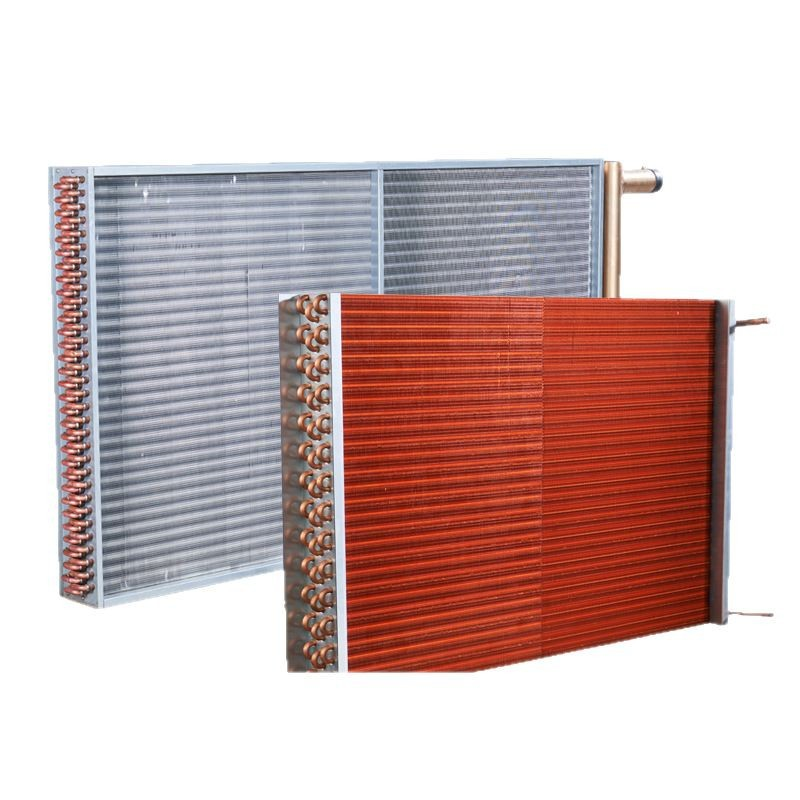
In the Pharmaceutical Cold Chain Evaporator, maintaining a precise temperature is crucial. The products being stored or transported are often very sensitive to temperature changes.

- Temperature Control: Use a high - precision temperature control system. This can be a combination of sensors and controllers that constantly monitor and adjust the temperature inside the evaporator.
- Hygiene: Since pharmaceutical products need to be kept in a clean environment, the evaporator needs to be easily cleanable. Choose a design that minimizes areas where dirt or bacteria can accumulate.
Food Refrigeration
For Food Refrigeration Evaporator, food safety is the top priority.
- Air Circulation: Good air circulation is important to ensure that all the food items are cooled evenly. You can use fans or vents to improve the air flow inside the evaporator.
- Humidity Control: Maintaining the right humidity level can prevent food from drying out or developing mold. Use a humidity control system to keep the humidity within the optimal range.
Why Optimize?
Optimizing the performance of a flat plate evaporator comes with a bunch of benefits. It can save energy, which means lower operating costs. A well - performing evaporator also has a longer lifespan, reducing the need for frequent replacements. And in industries where temperature control is critical, like pharmaceuticals and food, optimal performance ensures product quality and safety.
If you're in the market for a flat plate evaporator or want to learn more about how to optimize the ones you have, I'm here to help. Whether you're dealing with a direct evaporator, a pharmaceutical cold chain evaporator, or a food refrigeration evaporator, I can provide you with the best solutions. Just reach out, and we can start a chat about your specific needs. Let's work together to make your cooling or heating processes more efficient!
References
- Incropera, F. P., & DeWitt, D. P. (2002). Fundamentals of Heat and Mass Transfer. Wiley.
- ASHRAE Handbook - Refrigeration. (2014). American Society of Heating, Refrigerating and Air - Conditioning Engineers.