

As a heat pump evaporator supplier, I often get asked about how to regularly check the performance of a heat pump evaporator. It's a crucial aspect of maintaining the efficiency and longevity of your heat pump system. In this blog, I'll share some practical tips on how you can do just that.
Why Regular Checks Matter
Before we dive into the how - to, let's understand why regular checks are so important. A heat pump evaporator is a key component in the heat transfer process. If it's not performing well, it can lead to reduced efficiency, higher energy consumption, and even system breakdowns. Regular checks help you catch any potential issues early, saving you time and money in the long run.
Visual Inspection
The first step in checking the performance of a heat pump evaporator is a visual inspection. Start by looking at the physical condition of the evaporator. Check for any signs of damage, such as dents, leaks, or corrosion. A damaged evaporator can lead to refrigerant leaks, which not only affect performance but can also be harmful to the environment.
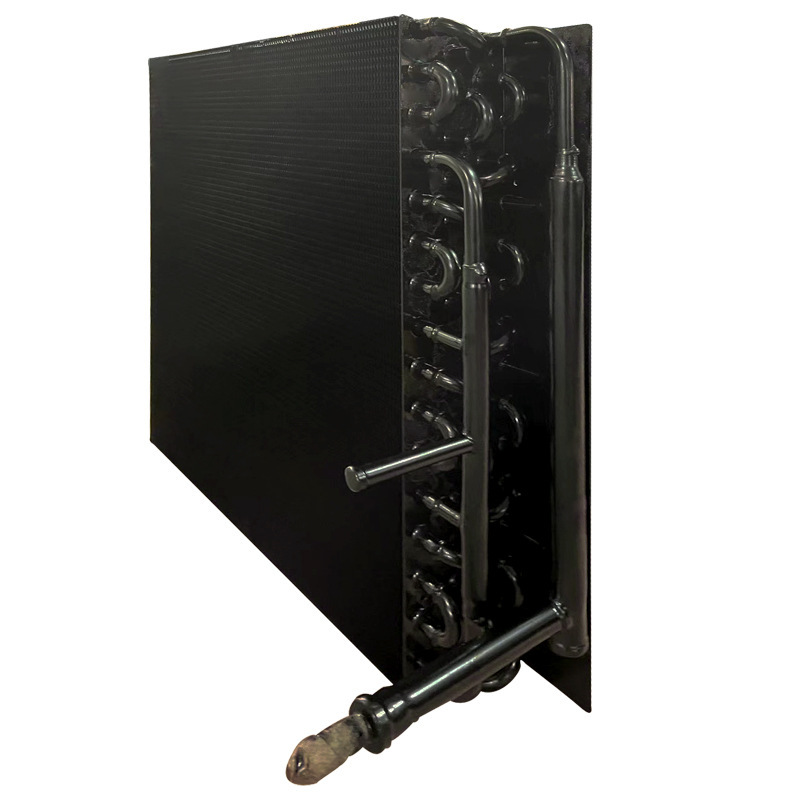
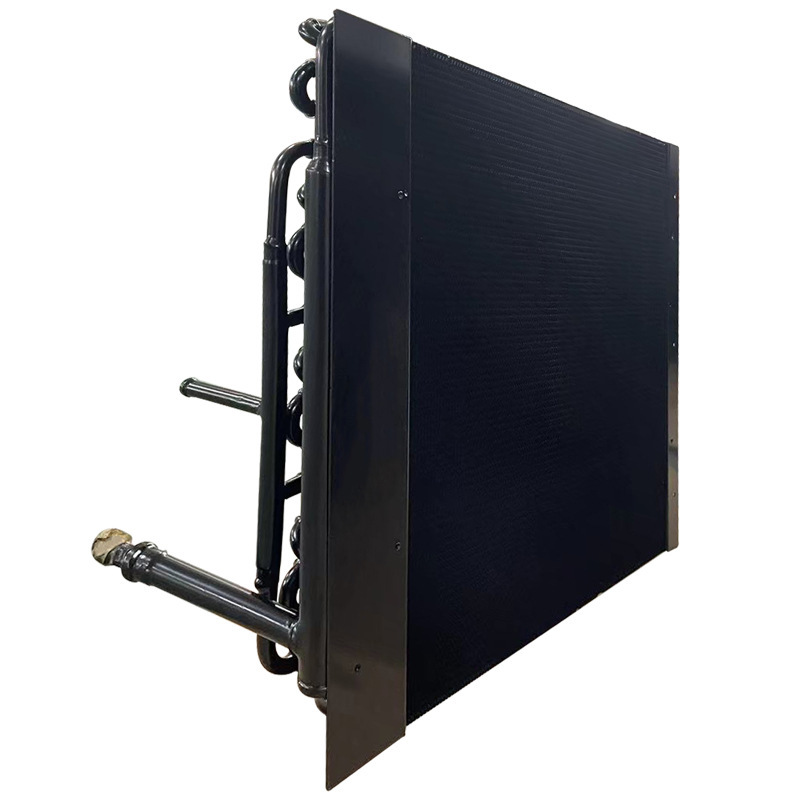
Inspect the fins of the evaporator. Over time, dust, dirt, and debris can accumulate on the fins, reducing the heat transfer efficiency. If the fins are dirty, you can use a soft brush or compressed air to clean them. Make sure to be gentle to avoid bending the fins.
Refrigerant Level Check
The refrigerant is the lifeblood of the heat pump system, and maintaining the right level is crucial for the evaporator's performance. You can use a refrigerant gauge to check the pressure. If the pressure is too low, it could indicate a refrigerant leak. On the other hand, if the pressure is too high, it might be a sign of a blockage or an over - charged system.
It's important to note that working with refrigerants can be dangerous, and in many places, it requires a certified technician. If you're not confident in checking the refrigerant level yourself, it's best to call in a professional.
Airflow Measurement
Proper airflow is essential for the evaporator to function effectively. You can use an anemometer to measure the air velocity at the evaporator inlet and outlet. A significant difference in the air velocity between the inlet and outlet could indicate a problem with the airflow.
Blocked air filters, damaged fans, or ductwork issues can all cause airflow problems. Check the air filters regularly and replace them if they are dirty. Also, inspect the fans to make sure they are running smoothly and the blades are not damaged.
Temperature Monitoring
Monitoring the temperature of the evaporator is another important aspect of performance checking. You can use a thermometer to measure the temperature at the inlet and outlet of the evaporator. The temperature difference between the inlet and outlet should be within a certain range, which is usually specified by the manufacturer.
If the temperature difference is too small, it could mean that the evaporator is not absorbing enough heat. This could be due to a refrigerant problem, a dirty evaporator, or an airflow issue.
Electrical Components Check
The electrical components of the heat pump evaporator, such as the compressor, fan motor, and control board, also need to be checked regularly. Look for any signs of overheating, loose connections, or damaged wires. A malfunctioning electrical component can cause the evaporator to stop working or operate inefficiently.
If you notice any electrical problems, it's important to have them fixed by a qualified electrician. Working with electrical components can be dangerous, so it's best to leave it to the professionals.
Different Types of Heat Pump Evaporators
We offer a variety of heat pump evaporators, each with its own characteristics. For example, the Food Refrigeration Evaporator is designed specifically for food storage applications. It's built to maintain a consistent temperature and prevent food spoilage.
The Direct Evaporator is known for its high - efficiency heat transfer. It directly transfers heat from the refrigerant to the surrounding air, making it a popular choice for many industrial and commercial applications.
The L - type Evaporator has a unique L - shaped design, which allows for more compact installation and better space utilization.
Conclusion
Regularly checking the performance of a heat pump evaporator is essential for maintaining the efficiency and reliability of your heat pump system. By following the steps outlined above, you can catch potential issues early and ensure that your evaporator is operating at its best.
If you're in the market for a high - quality heat pump evaporator or need more information on how to maintain your existing one, don't hesitate to reach out. We're here to help you make the right choice and keep your system running smoothly.
References
- HVAC System Maintenance Guides
- Manufacturer's Manuals for Heat Pump Evaporators
- Industry Standards for Refrigeration Systems